Table of Content
- 1 Key Clinical Overview (Fact Table)
- 2 Major Causes of Hallucinations & Delusions in Elderly
- 3 Dementia and Brain Degeneration
- 4 Delirium and Sudden Confusion
- 5 Medication-Related Hallucinations
- 6 Sensory Loss and Brain Compensation
- 7 Dehydration and Metabolic Imbalance
- 8 Neurological and Psychiatric Disorders
- 9 Environmental and Emotional Triggers
- 10 Key Symptoms Families Should Watch For
- 11 Important Medical Facts
- 12 Care Considerations for Families
- 13 Home Care in Frederick (Support for Cognitive Decline)
- 14 Overnight Care in Frederick (Nighttime Supervision)
- 15 Personal Care in Frederick (Daily Assistance & Stability)
- 16 Frequently Asked Questions
Hallucinations and delusions in elderly individuals aren’t a normal part of aging. These symptoms usually indicate an underlying medical, neurological, or environmental problem affecting brain function. Seniors may experience false perceptions, such as seeing or hearing things that aren’t present, or develop strong beliefs that aren’t based on reality.
In most cases, hallucinations in elderly individuals are linked to conditions such as dementia, infections, medication side effects, or metabolic imbalances. Identifying the root cause early is critical because many of these conditions are treatable or manageable if addressed in time.
Key Clinical Overview (Fact Table)
| Factor Type | Common Examples | Reversibility | Risk Level |
| Infections | UTI, pneumonia | High (treatable) | High |
| Neurodegenerative diseases | Alzheimer’s, Lewy body dementia | Low (progressive) | High |
| Medication side effects | Antidepressants, sedatives | Moderate | Medium |
| Dehydration & imbalance | Low sodium, low oxygen | High | High |
| Sensory loss | Vision/hearing decline | Partial | Medium |
| Psychiatric conditions | Depression, schizophrenia | Variable | Medium |
This table highlights that not all causes of hallucinations in seniors are permanent—many are reversible if detected early.
Major Causes of Hallucinations & Delusions in Elderly
Dementia and Brain Degeneration
One of the leading causes of hallucinations in elderly individuals is dementia. Conditions such as Alzheimer’s disease, Lewy body dementia, and Parkinson’s disease gradually damage brain cells and disrupt normal perception. Lewy body dementia is especially associated with vivid visual hallucinations that may appear early in the disease.
As brain function declines, the ability to distinguish between real and unreal experiences becomes impaired, leading to both hallucinations and delusional thinking.
Delirium and Sudden Confusion
Delirium is a sudden and often reversible condition that frequently causes hallucinations in elderly patients. It usually develops due to infections like UTIs, dehydration, surgery, or medication changes. Unlike dementia, delirium appears quickly and fluctuates throughout the day.
In many cases, once the underlying medical trigger is treated, cognitive function improves significantly.
Medication-Related Hallucinations
Polypharmacy (use of multiple drugs) is common in elderly individuals and is a major risk factor for hallucinations. Drugs affecting dopamine or brain chemistry can alter perception. Common examples include Parkinson’s medications, antidepressants, sedatives, and steroids.
A sudden onset of hallucinations after a medication change is a strong clinical warning sign that should never be ignored.
Sensory Loss and Brain Compensation
Loss of vision or hearing can lead to hallucinations because the brain attempts to fill missing sensory information. This is known as a neurological compensation effect rather than a psychiatric disorder.
A well-known example is Charles Bonnet Syndrome, where visually impaired individuals experience vivid images despite normal cognitive function.
Dehydration and Metabolic Imbalance
Even mild dehydration can affect brain function in older adults. Electrolyte imbalances such as low sodium levels (hyponatremia) or oxygen deficiency (hypoxia) can result in confusion, delirium, and hallucinations.
These conditions often develop silently due to reduced thirst perception in aging individuals.
Neurological and Psychiatric Disorders
Neurological conditions such as stroke, epilepsy, or brain tumors can disrupt normal brain signaling and lead to hallucinations. Psychiatric conditions like late-onset schizophrenia or depression with psychotic features may also contribute, especially in socially isolated seniors.
Environmental and Emotional Triggers
Environmental stress plays a major role in hallucinations in elderly individuals. Sudden relocation, hospitalization, loneliness, poor lighting, and sleep disruption can all trigger symptoms. A condition known as sundowning often causes confusion and agitation in the evening, especially in dementia patients.
Key Symptoms Families Should Watch For
Hallucinations and delusions in elderly individuals often present gradually. Common warning signs include talking to unseen people, sudden suspicion of caregivers, repetitive accusations, or increased fear without clear cause. Nighttime confusion is especially common and should be taken seriously.
Important Medical Facts
- Up to 30–40% of dementia patients experience hallucinations, especially in Lewy body dementia.
- UTIs are among the most underdiagnosed causes of sudden confusion in seniors.
- Delirium is considered a medical emergency in elderly care due to its rapid onset.
- Sensory impairment-related hallucinations are non-psychiatric and often misdiagnosed.
Care Considerations for Families
Managing hallucinations in elderly individuals requires patience and a calm approach. Arguing with your loved one about what he or she sees or believes may increase distress. Instead, emotional reassurance and environmental stability are more effective.
Medical evaluation is essential to rule out infections, medication issues, or neurological conditions. In many cases, treating the root cause leads to significant improvement.
Home Care in Frederick (Support for Cognitive Decline)
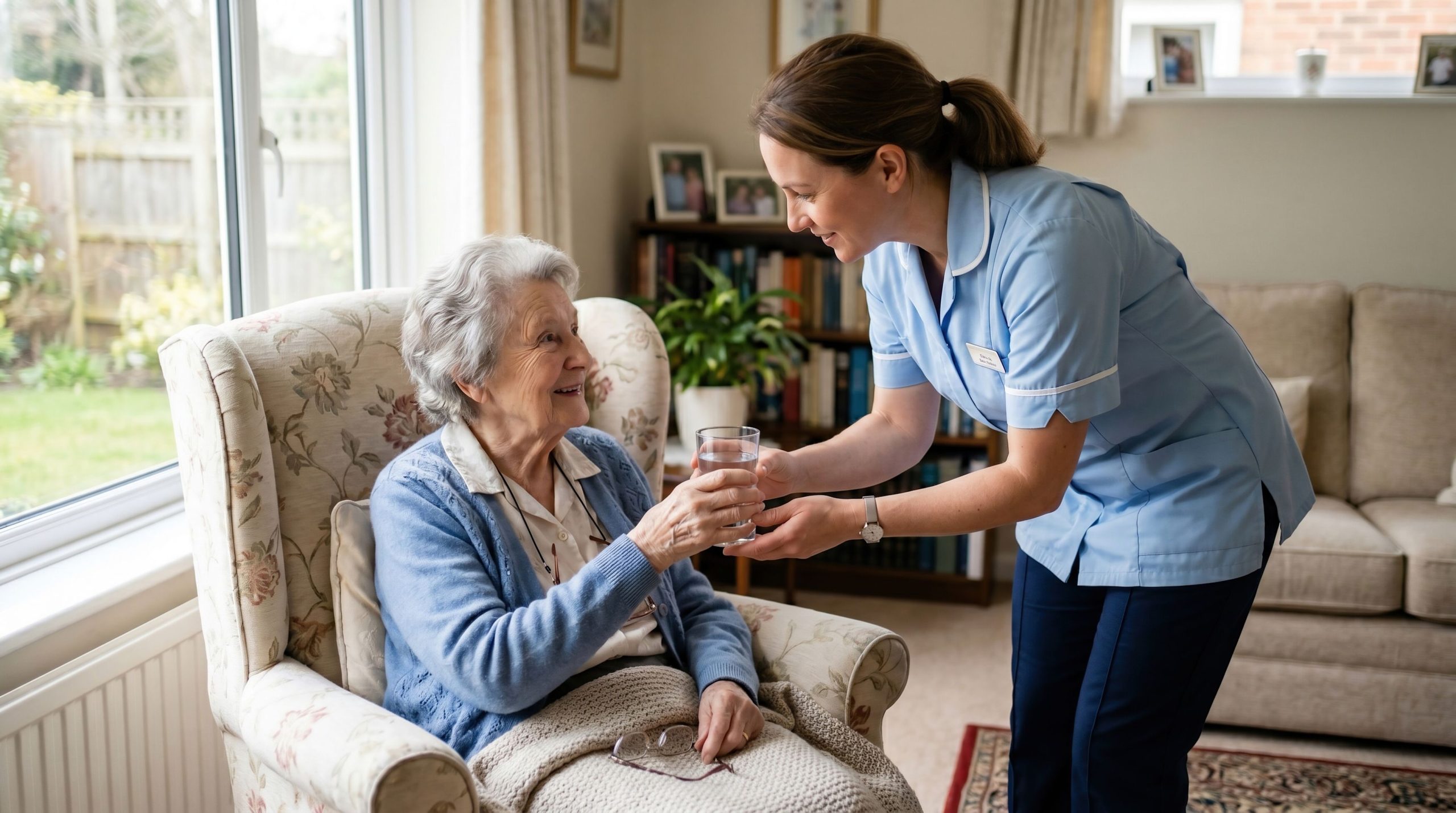
When symptoms begin to interfere with daily functioning, structured support becomes essential. Assisting Hands Home Care Frederick provides assistance for seniors experiencing cognitive decline, ensuring safety, routine monitoring, and emotional stability in a familiar environment. This type of support helps families manage long-term care needs more effectively.
Overnight Care in Frederick (Nighttime Supervision)
Hallucinations and confusion often worsen during nighttime due to sleep disruption and sundowning effects. Overnight care in Frederick provides continuous monitoring during the night hours, reducing risks such as wandering, agitation, or panic episodes. This ensures safety when symptoms are most unpredictable.
Personal Care in Frederick (Daily Assistance & Stability)
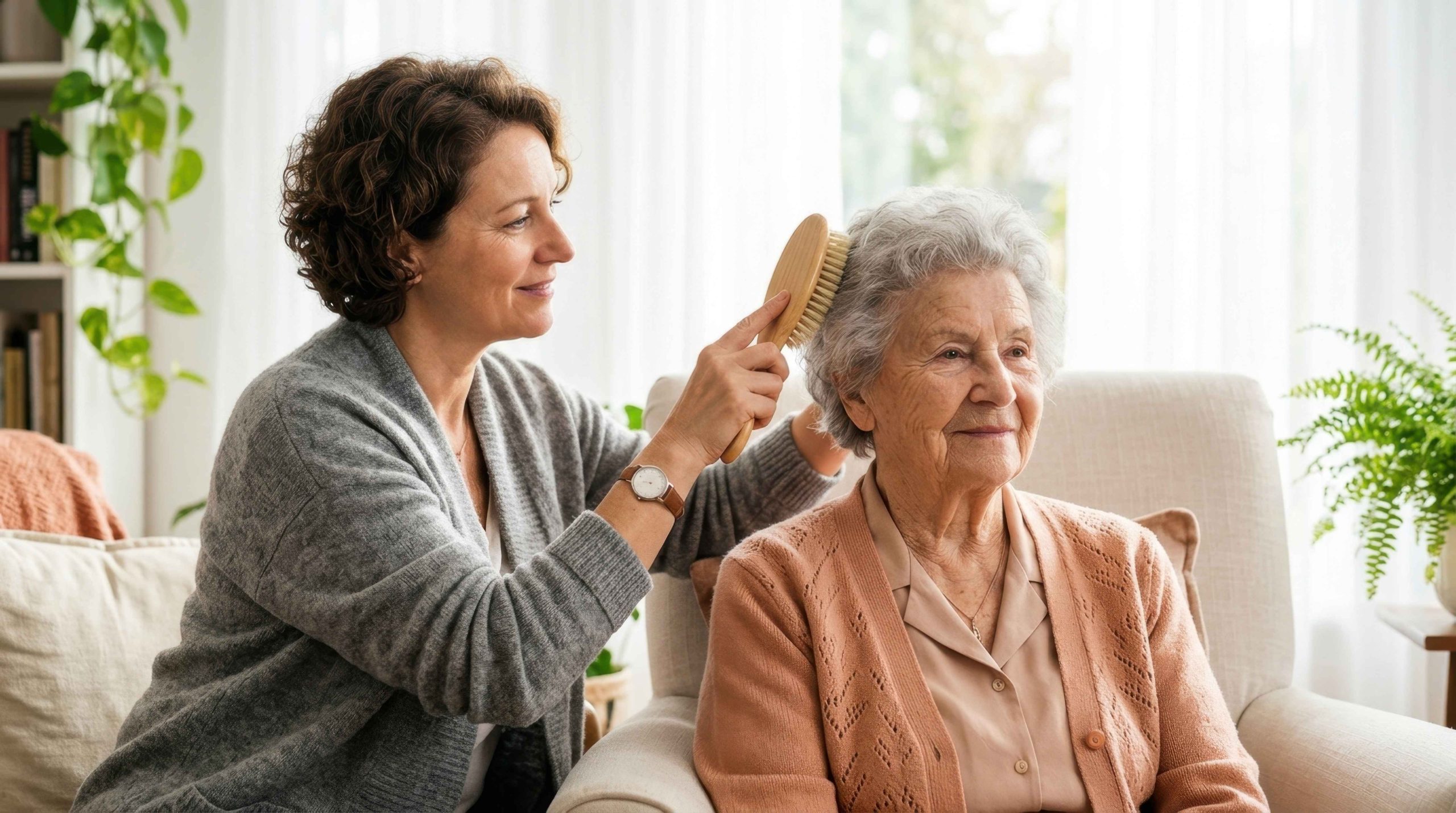
As cognitive or physical limitations progress, seniors may face difficulty with daily activities. Personal care in Frederick supports individuals with hygiene, mobility, dressing, and routine tasks. This structured care reduces stress triggers that can worsen hallucinations and ensures dignity and comfort in daily living.
Hallucinations and delusions in elderly individuals are serious symptoms that should never be ignored. They’re most often caused by treatable conditions such as infections, medication side effects, dehydration, or sensory impairment, while in other cases they may be linked to progressive neurological disorders like dementia.
Early recognition, proper diagnosis, and structured care can significantly enhance outcomes and quality of life for seniors experiencing these symptoms.
Frequently Asked Questions
How can I cope with hallucinations and delusions?
+
Coping with hallucinations and delusions requires a calm and supportive approach. Don’t argue with your loved one about what he or she is experiencing. Instead, reassure your loved one, redirect his or her attention, and maintain a familiar, safe environment. It’s also important to ensure proper sleep, hydration, and nutrition while seeking medical help to treat the underlying cause.
What does it mean if an elderly person starts hallucinating?+
If an elderly person starts hallucinating, it usually indicates an underlying medical or neurological condition rather than normal aging. Common causes include dementia, infections like UTIs, dehydration, medication side effects, or delirium. Sudden hallucinations should always be treated as a medical warning sign.
Can a stroke cause delusions?+
Yes, a stroke can cause delusions or hallucinations in some cases. This happens when brain areas responsible for perception and thinking are damaged due to reduced blood flow or oxygen supply. Post-stroke cognitive or psychiatric symptoms are less common but medically recognized and require proper evaluation.
What type of hallucinations do schizophrenics have?+
People with schizophrenia can experience different types of hallucinations, but auditory hallucinations (hearing voices) are the most common. They may also experience visual, tactile, olfactory, or gustatory hallucinations, depending on how the brain processes sensory information.
During what stage of dementia do hallucinations occur?+
Hallucinations in dementia usually appear in the middle to late stages of the disease. However, in Lewy body dementia, they can occur earlier and be more vivid. These symptoms develop as brain cell damage progresses and affects perception and cognition.
What are the most common hallucination triggers?+
The most common triggers include infections like UTIs, dehydration, sleep deprivation, medication changes, fever, and sensory loss such as vision or hearing decline. In elderly individuals, even minor physical or medical stress can trigger confusion and hallucinations.