Seniors should avoid foods that can increase the risk of infections, worsen chronic conditions, or interfere with medications. For example, undercooked eggs and meat may contain harmful bacteria like salmonella, while raw seafood and unpasteurized milk or juice can lead to serious infections. Soft and processed cheeses carry bacteria or high sodium, and fried or heavily processed foods can contribute to heart disease and inflammation. High-sugar snacks, sweetened beverages, and diet sodas can spike blood sugar and harm overall health, while alcohol and excessive caffeine may interfere with medications or cause dehydration. Even certain fruits, like grapefruit, can interact with medications.
Following are several foods seniors should avoid to maintain their health and reduce complications while aging.
Undercooked Eggs & Meat
Younger adults can sometimes handle bacteria found in undercooked eggs and meat, but seniors are far more vulnerable. A weaker immune system makes food poisoning and infections more likely. Undercooked poultry, beef, and eggs can contain salmonella or E. coli, which may lead to severe illness. Always cook meat and eggs thoroughly before serving.
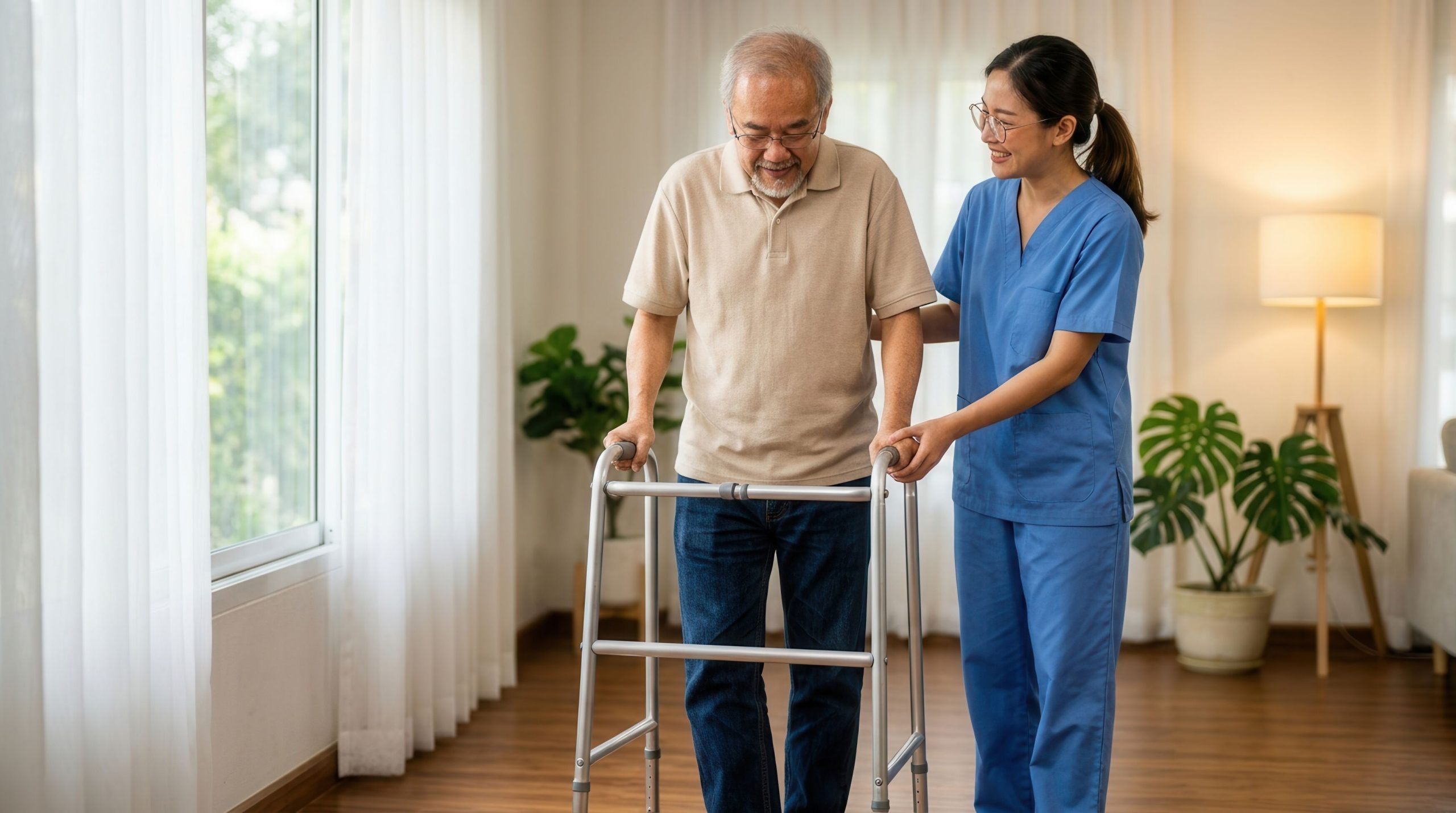
Older adults who need help with safe meal preparation often benefit from home care, where caregivers assist with grocery shopping, cooking nutritious meals, and ensuring the kitchen is stocked with safe foods for the elderly. This is especially helpful for those following a geriatric diet.
Grapefruit
Grapefruit may seem like a healthy fruit, but it can interfere with many common medications seniors take. These interactions can cause medications to become too strong or ineffective. Seniors taking heart, blood pressure, or cholesterol medications should carefully check labels and consult their doctor before consuming grapefruit.
Diet Soda & Regular Soda
Both diet soda and regular soda can negatively affect senior health. Artificial sweeteners in diet soda have been linked to heart problems and increased cravings, while regular soda is packed with sugar and empty calories. Neither option provides nutritional value, and both can contribute to weight gain, diabetes, and bone loss. Consuming sugary beverages and other foods to avoid after 65 can make healthy aging more challenging.
Soft & Processed Cheeses
Soft cheeses made from unpasteurized milk, such as Brie or blue cheese, carry a higher risk of bacterial contamination. Processed cheese products are also problematic due to their high sodium and preservative content. Seniors should opt for hard, pasteurized cheeses in moderation. “Is cheese good for old people?” is a common query, and the answer is yes, if chosen wisely.
Low-Fat & Empty-Calorie Foods
Many low-fat foods replace fat with sugar and additives to enhance taste. These foods often contain more calories and fewer nutrients than full-fat alternatives. Empty-calorie foods, such as candy and sugary snacks, provide energy without nutritional benefits, leading to blood sugar spikes and fatigue. Seniors should learn what foods the elderly should avoid and why to maintain their energy and health.
Bean Sprouts & Raw Sprouts
Bean sprouts and other raw sprouts grow in warm, damp environments that encourage bacterial growth. They’re a common source of foodborne illness and should be avoided by seniors, as infections can quickly become serious. This advice aligns with recommendations from nutrition experts on foods seniors should avoid.
Alcohol & Caffeine
Alcohol can interact dangerously with medications and increase the risk of falls, dehydration, and confusion. Caffeine, especially in large amounts, may worsen anxiety, sleep problems, and heart conditions. Seniors should limit or avoid both whenever possible. Answers to queries such as “What foods should the elderly avoid?” often include alcohol and beverages with caffeine.
Fried & Processed Foods
Fried foods, potato chips, and heavily processed foods are high in unhealthy fats, sodium, and preservatives. These foods increase the risk of heart disease, inflammation, and digestive problems. Processed meats such as deli meats and sausages are especially high in sodium and nitrates, which can raise blood pressure. Avoiding unhealthy foods is essential to maintain heart health.
Raw & Unpasteurized Foods
Raw eggs, unpasteurized milk, unpasteurized juice, sashimi, oysters, and other raw seafood carry a high risk of bacterial infection. Seniors should avoid these foods entirely, as even mild infections can lead to serious complications. This aligns with common concerns about foods older adults should avoid.
High-Sodium & High-Sugar Foods
Foods high in sodium can worsen blood pressure and heart conditions, while excessive sugar intake increases the risk of diabetes and weight gain. Sweetened beverages, candy, and sugary snacks should be limited as much as possible. To protect their health, seniors should be aware of and avoid foods for old people that are high in sodium and sugar.
Multigrain Bread & “Healthy” Fats
Not all foods labeled healthy truly are. Some multigrain breads are highly processed and contain added sugars. Similarly, foods marketed as healthy fats can still be harmful if consumed in excess. Reading labels carefully is essential. Seniors searching for foods the elderly should eat should focus on genuine nutrient-rich options rather than marketing claims.
Supporting Healthy Eating at Home
Making safe and nutritious food choices can become challenging with age, especially for seniors living alone. Professional caregivers can help with meal planning, grocery shopping, and cooking balanced meals. Families who choose homemaking services gain peace of mind knowing their loved ones are supported with daily nutrition, household tasks, and healthier routines. Home care can be a helpful option for families who want to prepare light meals for the elderly and have concerns about unhealthy foods for the elderly.
Avoiding risky foods is just as important as eating the right ones. By understanding which foods to limit or avoid, seniors can protect their immune systems, manage chronic conditions, and maintain a higher quality of life. With proper support and informed choices, aging adults can continue living safely and comfortably at home.