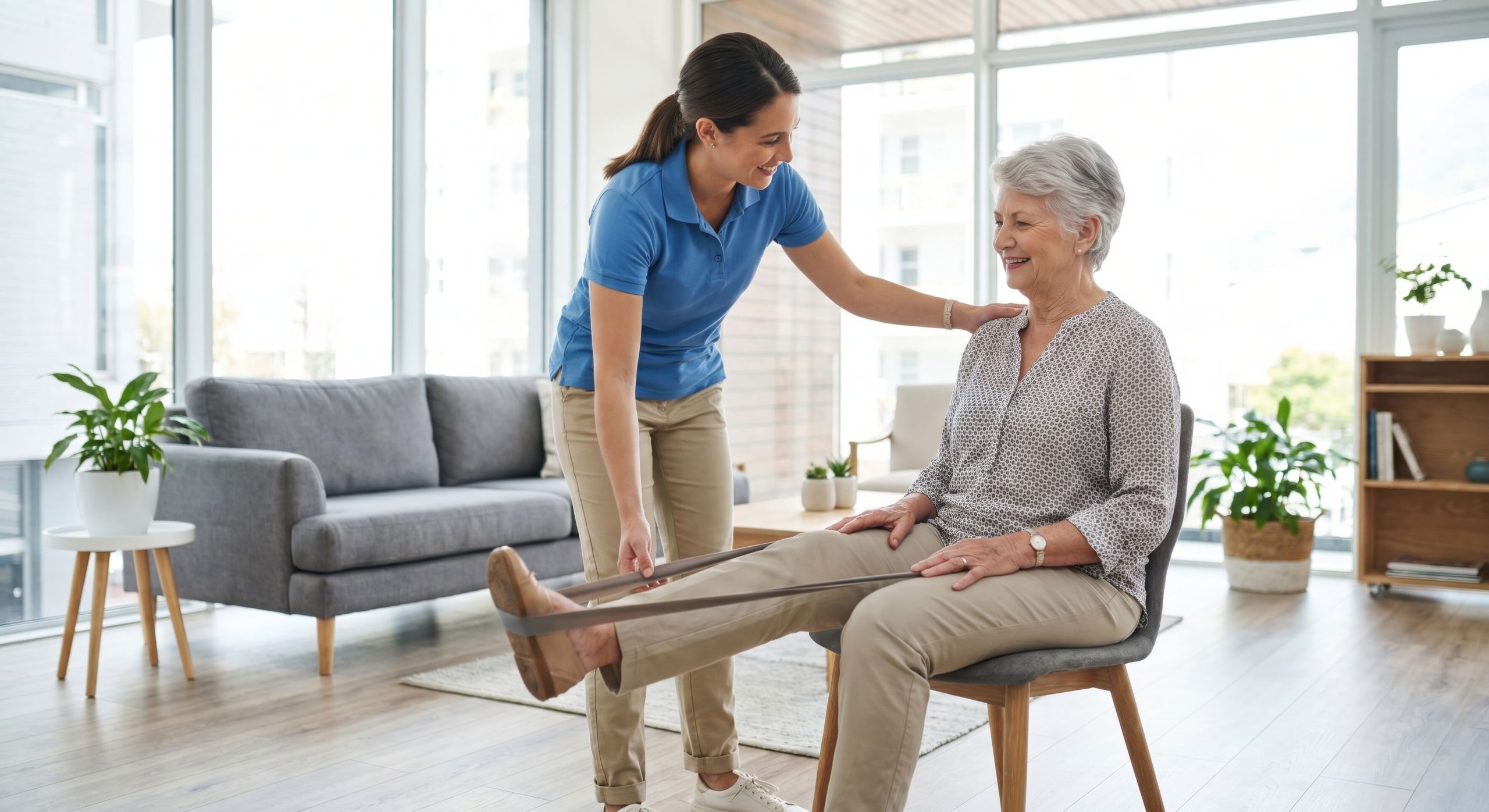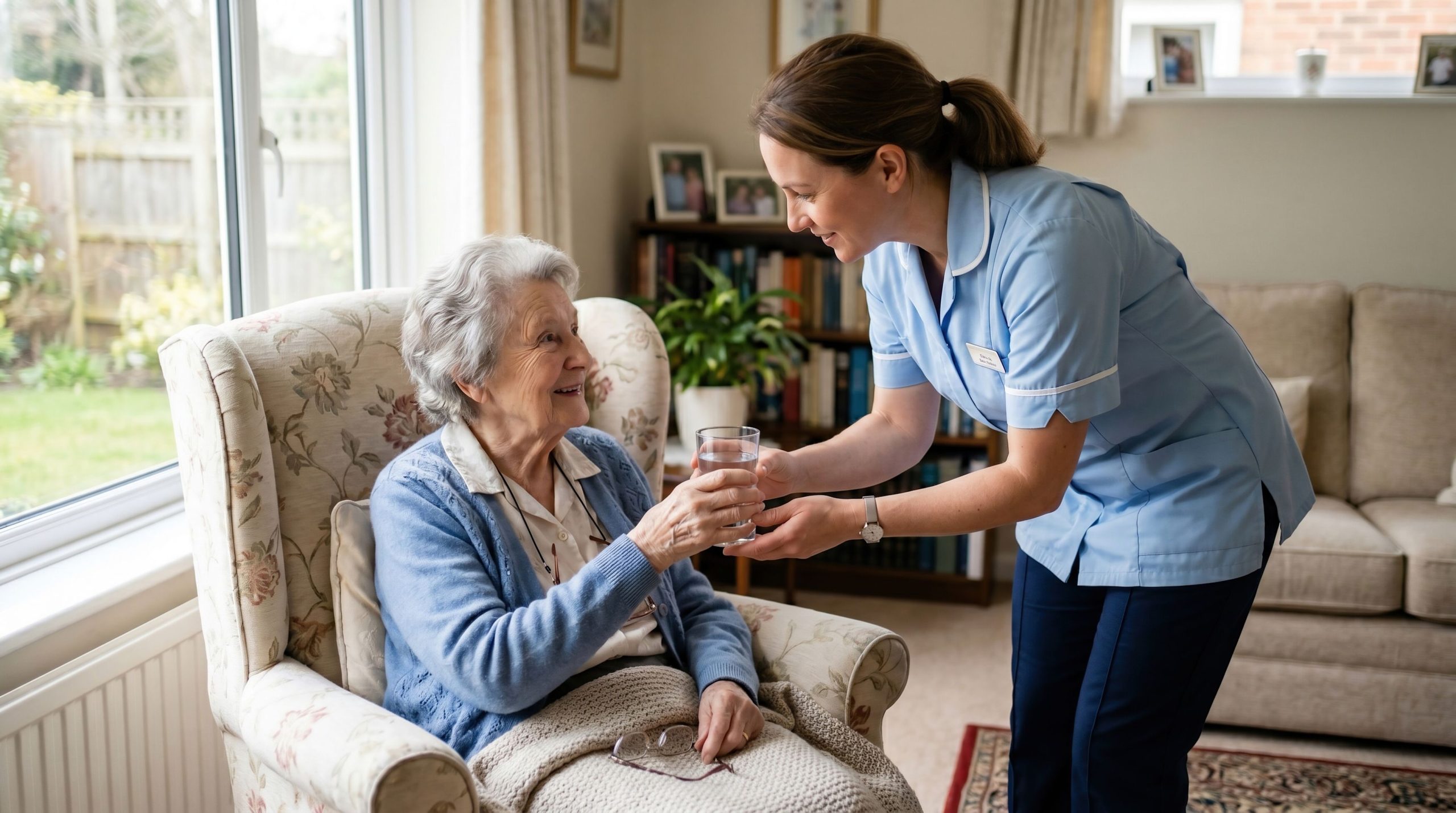
In-home care reduces hospital readmissions by providing personalized supervision and daily living support during the critical recovery period. This continuous oversight ensures medication schedules are strictly followed and potential health complications are caught early. By bridging the gap between hospital discharge and full recovery, professional caregivers create safer, more controlled environments for healing.
How Does Medication Organization Prevent Complications?
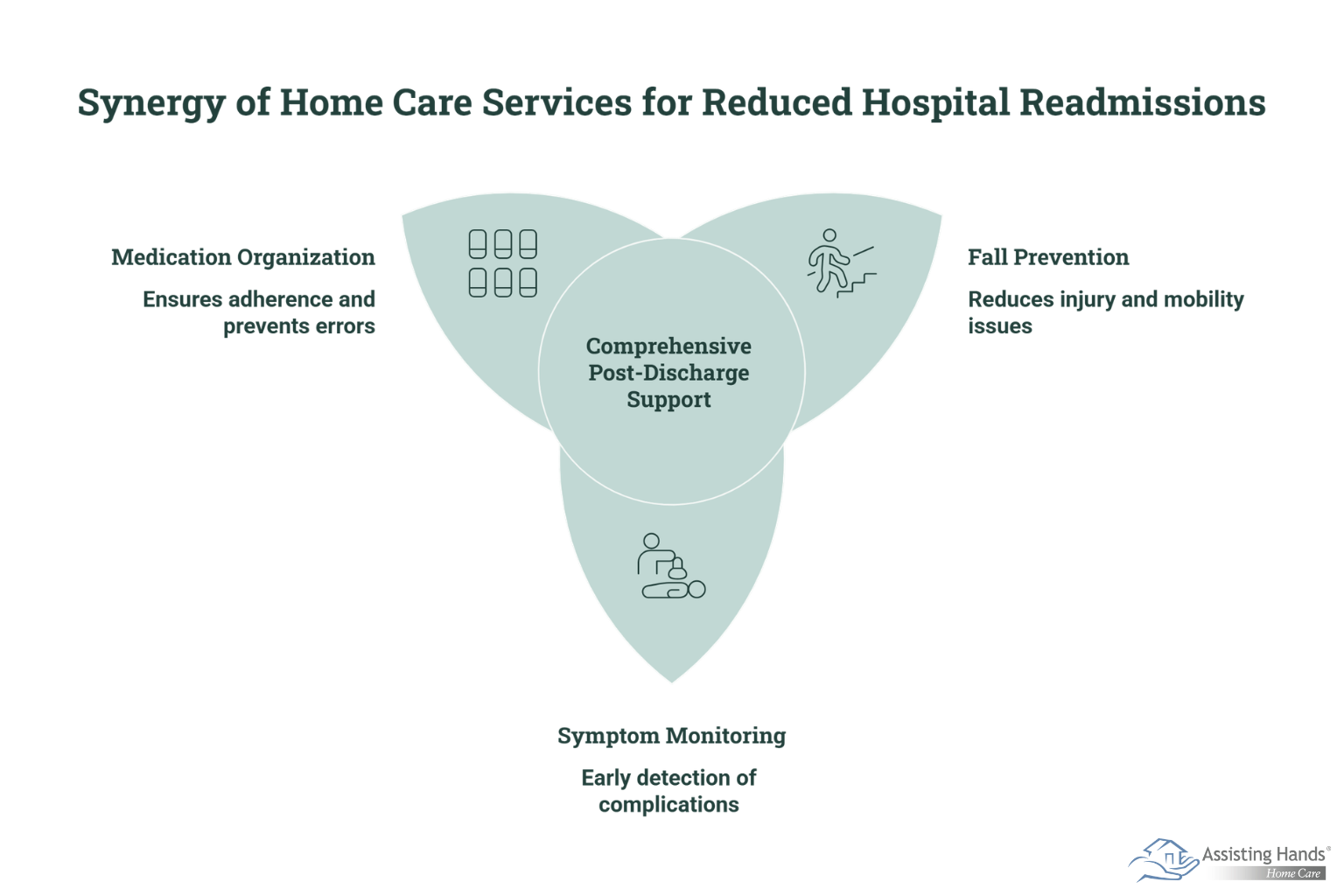
Proper medication organization prevents adverse drug reactions and ensures ongoing treatment efficacy. Transitioning from hospital to home often involves new prescriptions that can be confusing for seniors to manage alone. In-home caregivers assist recovering individuals by:
- Organizing daily pill dispensers to prevent missed doses
- Providing timely reminders for each specific medication
- Monitoring for unexpected side effects or negative drug interactions
Some seniors need occasional assistance at home, and oftentimes the family members who take care of them need time away to run errands, take a nap, go to work, or take a vacation. The respite and overnight home care experts from Frederick Assisting Hands Home Care are available on an as-needed basis, giving your family peace of mind that your loved one will remain safe and comfortable while you relax or focus on other important responsibilities.
Why Is Fall Prevention Crucial during Recovery?
Falls are a leading cause of preventable hospital readmissions, especially for those experiencing weakness or mobility issues after a hospital stay. Professional caregivers significantly reduce this risk by evaluating the home environment and clearing common tripping hazards. They also provide direct physical assistance, helping seniors safely navigate stairs, transition in and out of bed, and use the bathroom without injury.
What Role Does Symptom Monitoring Play in Post-Discharge Care?
Consistent symptom monitoring allows caregivers to identify medical warning signs before they escalate into full-blown emergencies. By tracking vital signs, monitoring surgical wound healing, and assessing daily pain levels, care teams maintain a real-time log of the client’s recovery status. If a client’s condition begins to worsen, caregivers can immediately alert family members and physicians to intervene promptly.
A professional caregiver can monitor your loved one for post-hospitalization complications. When searching for reliable Frederick in-home care agencies, families want to know their senior loved ones will be well taken care of. At Assisting Hands Home Care, our expertly trained caregivers are available around the clock to assist with tasks around the house, provide transportation to medical appointments and social events, and much more.
How Does Nutritional Support Accelerate the Healing Process?
Proper nutrition provides the recovering body with the necessary energy and nutrients to repair tissue and fight off postsurgical infections. Many patients lack the energy or mobility to cook for themselves immediately following a hospital discharge. In-home care providers can overcome this barrier by:
- Grocery shopping for doctor-recommended, nutrient-dense foods
- Preparing balanced, easy-to-digest meals tailored to specific dietary restrictions
- Ensuring the senior maintains adequate daily hydration
Hiring a professional caregiver is a great way to support your loved one’s recovery process. Whether you need respite from your caregiving duties or your aging loved one needs 24-hour home care in Frederick, Assisting Hands Home Care can meet your family’s care needs. Our dedicated caregivers are available around the clock to provide transportation to doctor’s appointments, ensure seniors take their prescribed medications, and help with a variety of tasks in and outside the home. To hire a dedicated caregiver, call Assisting Hands Home Care today.
Frequently Asked Questions
What types of patients benefit most from in-home care after discharge?
+
Those recovering from major surgeries, strokes, or severe illnesses benefit significantly from post-discharge in-home care. It’s also highly effective for elderly individuals managing complex chronic conditions.
Does Medicare cover the cost of post-hospital in-home care?
+
Medicare often covers short-term home health care services if a doctor certifies the senior is homebound and requires skilled nursing or therapy. It generally doesn’t cover long-term, nonmedical custodial care.
How quickly can in-home care start after leaving the hospital?
+
Care can typically begin within 24 to 48 hours of discharge. Many home care agencies coordinate directly with hospital discharge planners to ensure seamless transitions back home.
What’s the difference between home health care and nonmedical home care?
+
Home health care provides clinical services like wound care and physical therapy administered by licensed medical professionals. Nonmedical home care focuses on daily living assistance, such as bathing, meal preparation, and mobility support.