Osteoporosis risks can be effectively managed at home through fall prevention strategies, targeted exercise, nutrition support, and consistent monitoring—reducing the likelihood of fractures and helping seniors maintain independence and quality of life.
Targeted in-home care interventions give individuals with osteoporosis the tools and support they need to reduce fracture risk without leaving the comfort of their own homes. From environmental modifications to personalized exercise routines, these approaches address the condition at its most practical level—daily life.
How Does Fall Prevention Reduce Fracture Risk in People with Osteoporosis?
Falls are the leading cause of osteoporosis-related fractures, making fall prevention a cornerstone of in-home care. Key interventions include:
- Removing tripping hazards such as loose rugs, clutter, and uneven flooring
- Installing grab bars in bathrooms and along staircases
- Improving home lighting, especially in hallways and stairwells
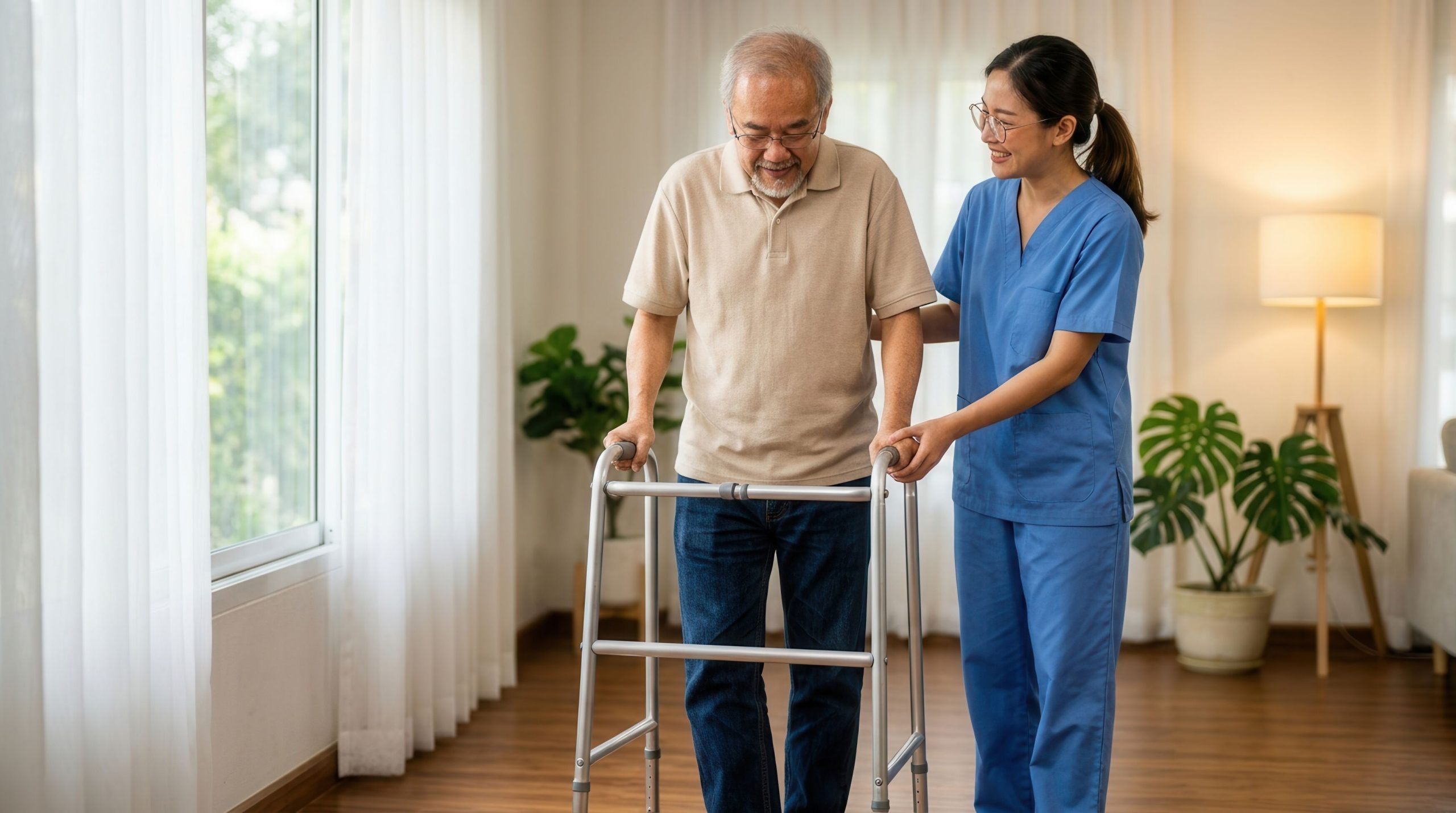
- Encouraging the use of assistive devices, such as walkers or canes, when needed
- Wearing nonslip footwear indoors to reduce sliding on smooth surfaces
What Types of Exercise Are Most Beneficial for Managing Osteoporosis at Home?
Weight-bearing and resistance exercises slow bone density loss and strengthen the muscles that protect bones during a fall. Effective at-home options include:
- Walking or marching in place for low-impact weight-bearing activity
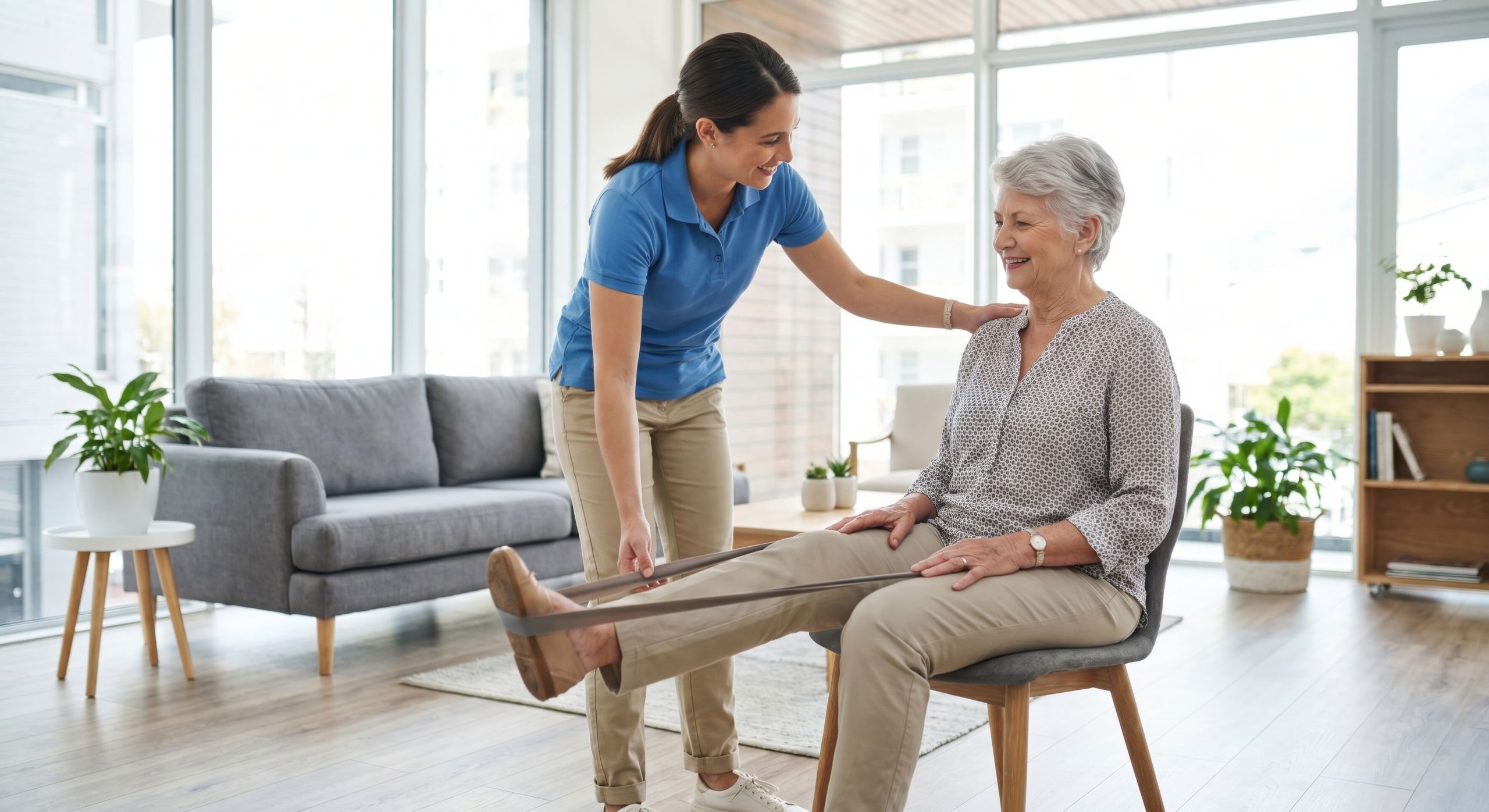
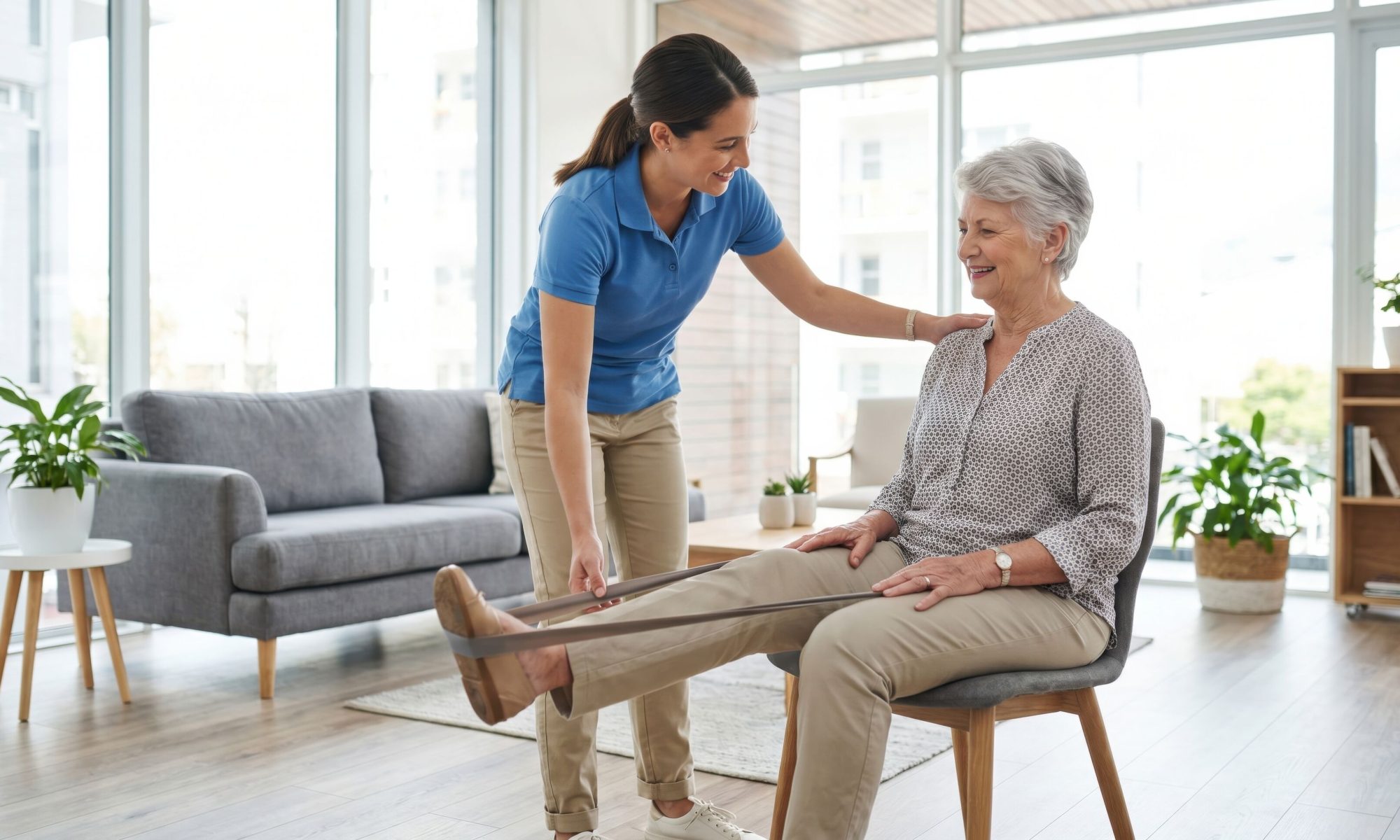
- Resistance band exercises to build muscle strength without heavy equipment
- Balance training, such as standing on one foot or heel-to-toe walking
- Gentle yoga or tai chi to enhance coordination, posture, and stability
Consistency matters more than intensity. Short daily sessions are more effective than occasional long workouts.
If you usually help your loved one exercise but need a break now and then, hiring a professional caregiver to take over on occasion is a great option. Frederick overnight home care and respite care professionals can assist seniors with a wide array of daily tasks, offering family caregivers the chance to focus on other personal responsibilities or take a break to prevent burnout. Whether it’s for a few hours a day or a few days a week, home care is the perfect solution for family caregivers who are feeling overwhelmed.
How Does Nutrition Support Bone Health in Home-Based Osteoporosis Care?
Adequate nutrition plays a direct role in maintaining bone density and slowing osteoporosis progression. In-home care can support this through:
- Calcium-rich foods such as dairy products, leafy greens, almonds, and fortified plant milks
- Vitamin D sources, including eggs, fatty fish, and fortified foods, to support calcium absorption
- Limiting bone-depleting habits such as excessive caffeine, alcohol, and high-sodium diets
- Meal planning support to ensure consistent nutrient intake, especially for older adults with reduced appetites
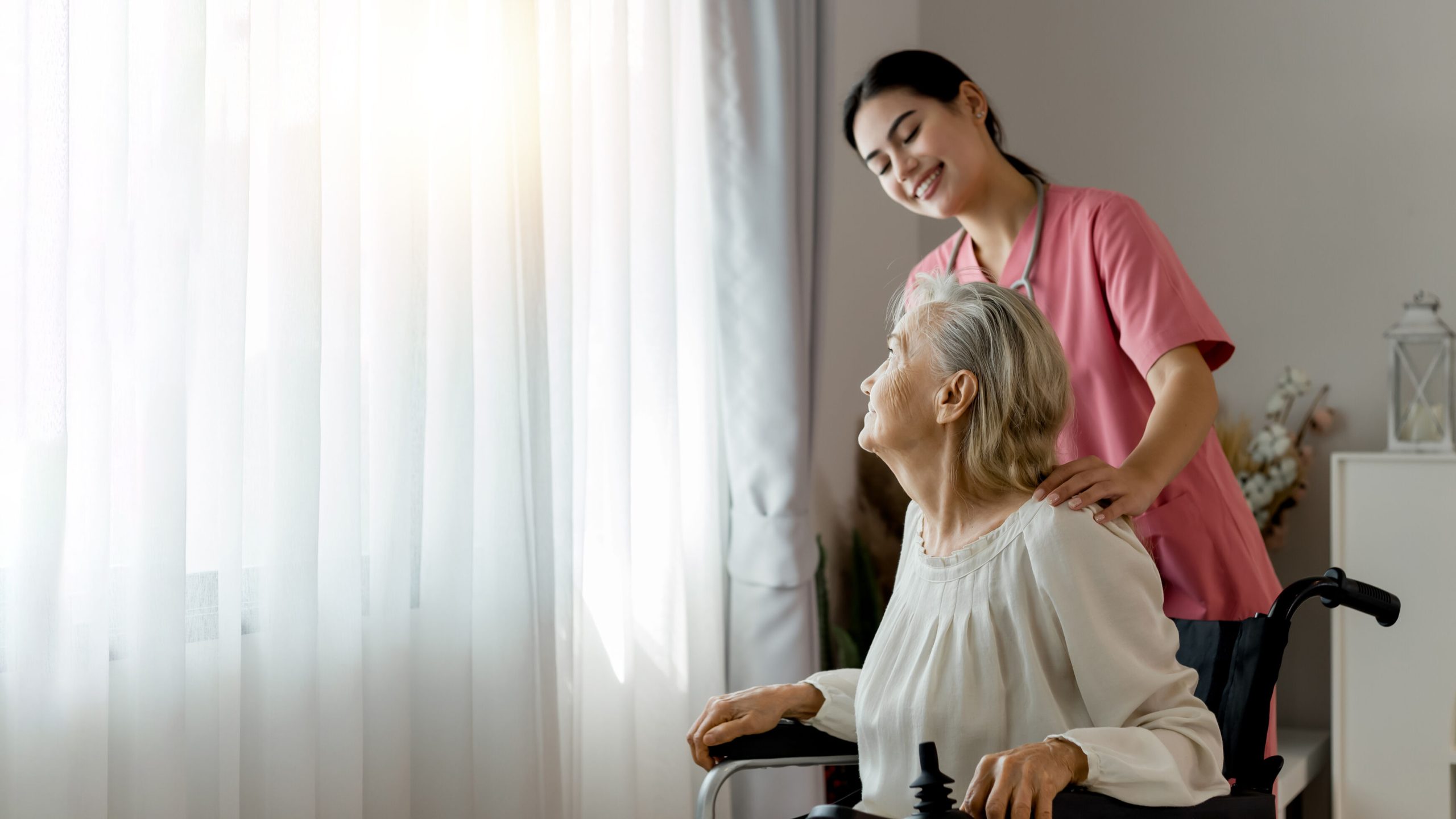
Professional caregivers can be wonderful sources of support, encouraging seniors to eat nutritious foods, exercise, and adopt other healthy habits. Maintaining a high quality of life can be challenging for some seniors, but professional caregivers can help them attain this goal. Families can trust Frederick at-home care experts to help their elderly loved ones focus on lifestyle choices that increase the chances of living longer and healthier lives.
How Can In-Home Caregivers Monitor Osteoporosis Progression?
Regular monitoring can detect changes early and allow care plans to be adjusted accordingly. In-home caregivers can support this by:
- Tracking physical changes such as height loss or increased postural curvature
- Documenting pain levels and mobility changes to share with healthcare providers
- Ensuring scheduled bone density screenings aren’t missed
- Monitoring adherence to prescribed supplements or treatment plans
Caregivers serve as a vital link between the individual and the broader care team, providing consistent observation that infrequent appointments may miss.
What Assistive Technologies Can Support Osteoporosis Management at Home?
Technology can extend the reach of in-home care between caregiver visits:
- Personal emergency response systems (PERS) allow individuals to call for help immediately after falls.
- Smart home sensors can detect unusual inactivity or falls and alert caregivers remotely.
- Medication reminder apps or devices support consistent supplement intake.
- Video check-in platforms enable regular communication with care coordinators and family members.
For many seniors in north-central Maryland, Frederick 24-hour home care is an essential component of aging in place safely and comfortably. However, it’s important for them to have caregivers they can trust and rely on. At Assisting Hands Home Care, we extensively screen all of our caregivers and only hire those who have experience in the senior home care industry. Our strict requirements ensure seniors can remain in the comfort of home with a reduced risk of injury or serious illness. To learn more about our reliable, compassionate in-home care services, contact us today.
Frequently Asked Questions
What are the most effective in-home strategies for preventing osteoporosis-related falls?
+
Removing household hazards, installing grab bars, improving lighting, and wearing nonslip footwear are among the most impactful measures. Balance training exercises also significantly reduce fall risk over time.
Can exercise actually increase bone density in someone who already has osteoporosis?
+
While exercise may not fully reverse bone density loss, weight-bearing and resistance activities can slow further decline and strengthen the muscles that protect bones during a fall.
How much calcium and vitamin D does someone with osteoporosis need daily?
+
Most adults with osteoporosis are advised to consume 1,000–1,200 mg of calcium and 800–2,000 IU of vitamin D daily, though individual needs vary based on age, health status, and other factors.
How can family members or caregivers track changes in osteoporosis symptoms at home?
+
Caregivers can monitor for signs such as height loss, increased back pain, changes in posture, and reduced mobility and document these observations to inform ongoing care decisions.
Are personal emergency response systems worth investing in for someone with osteoporosis?
+
Yes. PERS devices provide a critical safety net, enabling individuals to quickly alert others after falls, which can significantly reduce the severity of fall-related injuries through faster response times.