Stroke recovery at home involves creating a safe environment, supporting daily routines, and coordinating consistent care. With the right preparation and resources, families can play central roles in helping their senior loved ones regain independence and enhance their quality of life after a stroke.
Recovering from a stroke is a journey that looks different for every family. Understanding what to expect and how to prepare can make a meaningful difference in your loved one’s progress and wellbeing.
What Does Stroke Recovery at Home Look Like?
Home recovery varies depending on the severity of the stroke, but most survivors experience gradual progress in physical and cognitive function over weeks to months.
- Early recovery typically focuses on regaining basic mobility, communication, and daily living skills.
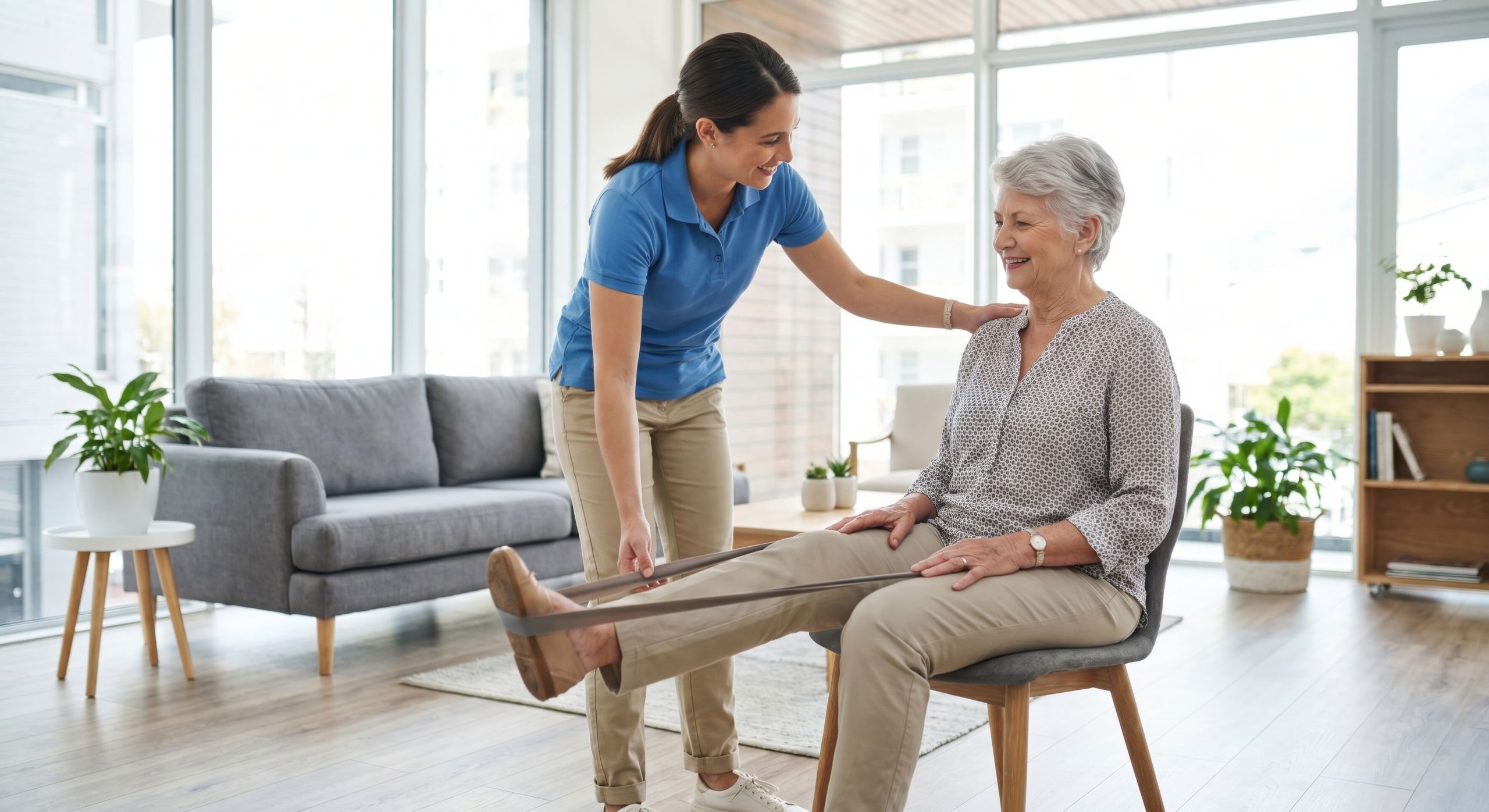
- Therapy (physical, occupational, and speech) often continues at home through scheduled visits or telehealth.
- Progress can be uneven—some days will be better than others, and that’s normal.
How Can Families Create Safe Home Environments?
Making the home safer reduces the risk of falls and supports greater independence for stroke survivors.
- Install grab bars in bathrooms and near stairs.
- Remove tripping hazards like loose rugs and cluttered walkways.
- Consider a hospital-style bed or recliner if mobility is significantly affected.
- Use nonslip mats in the kitchen and bathroom.
- Ensure good lighting throughout the home, especially at night.
A trained caregiver with experience in caring for stroke survivors, particularly those with limited mobility, can be a fantastic resource for family members, especially during the nighttime hours. At Assisting Hands Home Care, our Frederick overnight home care services address a full range of needs, including personal care, mobility assistance, toileting, and repositioning. Caregivers also provide fall prevention monitoring, medical equipment support, and emotional reassurance for clients who experience nighttime anxiety or disorientation. Services are available on an occasional or ongoing basis and can be coordinated with flexible hourly daytime care for continuous around-the-clock support.
What Daily Care Tasks Will Families Need to Support?
Depending on the level of impairment, caregivers may assist with a range of daily activities.
- Personal hygiene, including bathing, grooming, and dressing
- Meal preparation, including modifying food textures if swallowing is affected
- Medication organization and reminders
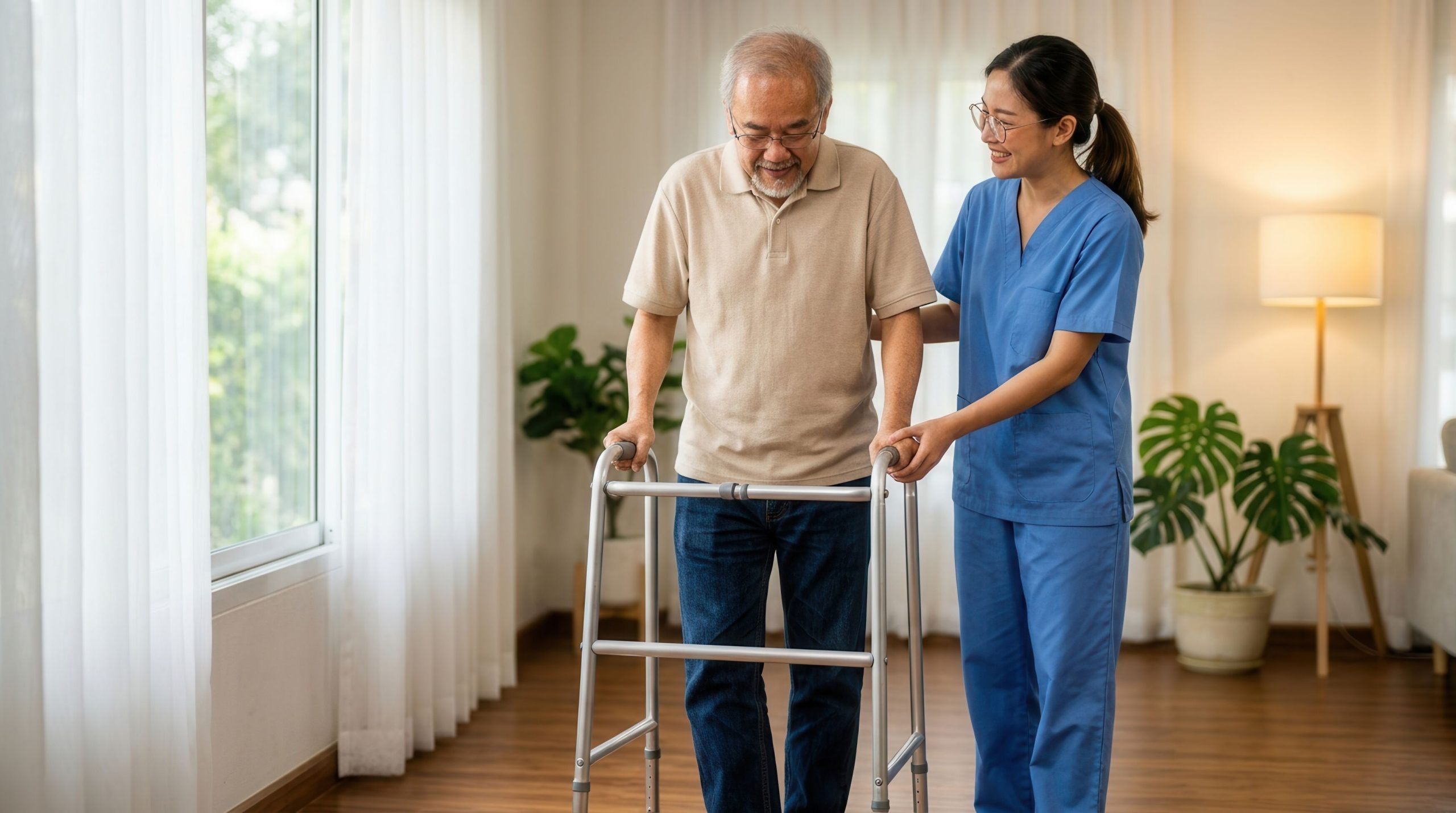
- Mobility assistance, including transfers and walking support
- Emotional support and companionship
One of the most challenging tasks of helping an elderly stroke survivor live at home safely and comfortably is researching agencies that provide home care. Families can turn to Assisting Hands Home Care for reliable, high-quality Frederick homecare services for aging adults. We offer 24-hour care for seniors who require extensive assistance, and we also offer respite care for family caregivers who need a break from their caregiving duties.
What Challenges Should Caregivers Be Prepared For?
Caring for a stroke survivor at home can be deeply rewarding, but it also comes with real challenges.
- Caregiver fatigue is common. Prioritizing your own rest and wellbeing is essential.
- Emotional changes in stroke survivors, such as depression, irritability, or personality shifts, are a recognized part of recovery.
- Communication difficulties (aphasia) can be frustrating for both the survivor and family members. Patience and consistency go a long way.
- Schedules may need to be reorganized around therapy appointments and care routines.
What Community and Professional Resources Are Available for Stroke Caregivers?
Families don’t have to navigate stroke recovery alone. Numerous resources exist to provide practical and emotional support.
- Home caregivers can assist with personal care and daily tasks.
- Adult day programs offer structured activities and social connection for survivors.
- Support groups for caregivers and stroke survivors provide shared experiences and coping strategies.
- Respite care services give primary caregivers temporary relief.
- The American Stroke Association (strokeassociation.org) offers guides, tools, and a caregiver community.
Recovering from a stroke, managing the symptoms of Alzheimer’s, and a variety of other health-related situations can make it difficult for a senior to continue living at home without someone there to help. Frederick 24-hour home care professionals are trained to help seniors who need 24/7 assistance. With the help of an around-the-clock caregiver, your elderly loved one can maintain a higher quality of life while aging in place. Call Assisting Hands Home Care to learn more about our flexible and customizable senior care plans.
Frequently Asked Questions
How long does stroke recovery typically take?
+
Recovery timelines vary widely depending on stroke severity and individual health factors, but most significant progress occurs within the first three to six months, with continued progress possible for years afterward.
What are the most common challenges stroke survivors face at home?
+
Stroke survivors commonly experience mobility limitations, communication difficulties, memory issues, and emotional changes such as depression or anxiety, all of which can affect daily life at home.
How can I help a stroke survivor stay motivated during recovery?
+
Celebrating small milestones, maintaining a consistent routine, and encouraging participation in hobbies or social activities can help stroke survivors stay engaged and motivated throughout their recovery.
Is it normal for stroke survivors to experience personality or mood changes?
+
Yes, emotional and behavioral changes are a common result of stroke and can include depression, irritability, and emotional outbursts. These changes are neurological in nature and often resolve with time and proper support.
When should a caregiver consider additional in-home support?
+
If caregiving responsibilities begin to affect your own physical or mental health, or if your loved one’s needs exceed what you can safely manage alone, it may be time to explore additional in-home support services.