Agitation and anxiety are among the most common and challenging behaviors associated with dementia, often leaving caregivers feeling overwhelmed and unsure of how to help. This guide breaks down practical, evidence-informed strategies to help you respond with confidence and compassion.
What Causes Agitation and Anxiety in People with Dementia?
Understanding the root causes is the first step to managing these behaviors effectively. Common triggers include:
- Unmet needs – Hunger, thirst, pain, or the need to use the bathroom
- Overstimulation – Loud noise, crowded spaces, or too much activity
- Unfamiliar environments or routines – Changes that feel disorienting or threatening
- Sundowning – Increased confusion and restlessness in the late afternoon or evening
- Fear or confusion – Difficulty recognizing people, places, or situations
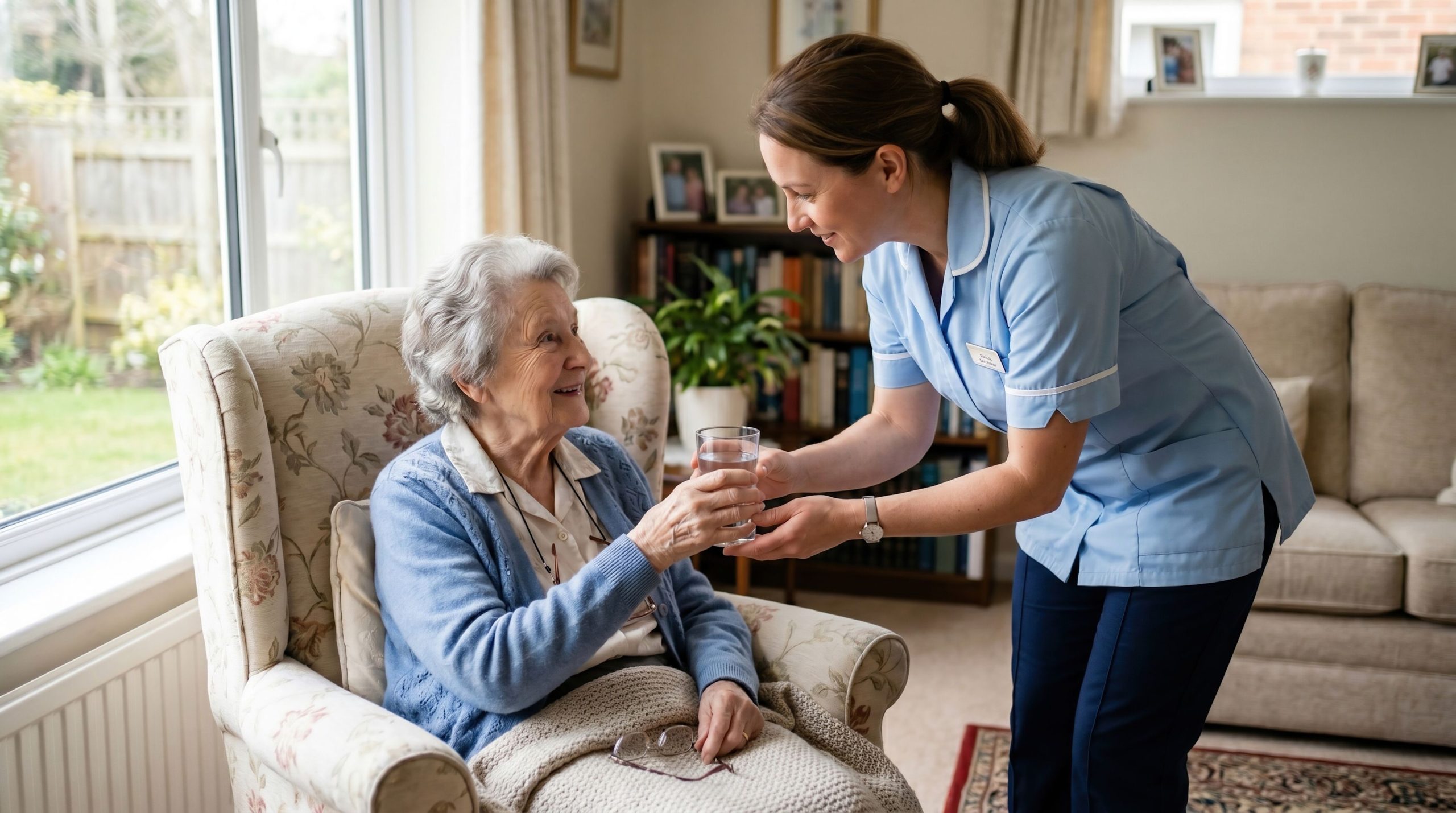
The cognitive challenges that accompany dementia often leave aging adults unable to manage everyday tasks, which puts their safety and health at risk. Certain age-related conditions can make it more challenging for older adults to age in place safely and comfortably, but experts in Frederick 24-hour home care for seniors are available around the clock to help aging adults manage their health. Whether your loved one is living with dementia or recovering from a stroke, you can trust the professional caregivers from Assisting Hands Home Care to enhance his or her quality of life.
How Can a Consistent Routine Reduce Anxiety in Dementia Care?
Predictability is calming for people with dementia. A structured daily routine reduces uncertainty, which is a key driver of anxiety. To build an effective routine:
- Schedule meals, activities, and rest at the same times each day.
- Use familiar cues like music or lighting to signal transitions.
- Avoid sudden changes when possible, and introduce new elements gradually.
- Keep the environment tidy and free of unnecessary clutter.
Caring for a loved one with dementia is a challenging task for anyone. The responsibilities can sometimes feel overwhelming, but help is available. Seniors can face a variety of challenges as they age, many of which can be mitigated with the help of professional in-home caregivers who provide high-quality Frederick in-home care. Families trust Assisting Hands Home Care to help their elderly loved ones age in place safely and comfortably.
What Communication Strategies De-Escalate Agitation?
How you communicate can make a significant difference during moments of distress. Effective techniques include:
- Speak slowly, calmly, and in short, simple sentences.
- Make gentle eye contact and use a soft, reassuring tone.
- Avoid arguing or correcting. Instead, validate feelings (“I can see you’re upset”).
- Use your loved one’s name, and approach from the front to avoid startling him or her.
- Offer simple choices to give a sense of control.
What Sensory and Engagement Techniques Can Ease Distress?
Redirecting attention through sensory stimulation can be a powerful tool for calming agitation. Approaches to consider:
- Music therapy – Playing familiar songs from your loved one’s past can have an immediate soothing effect.
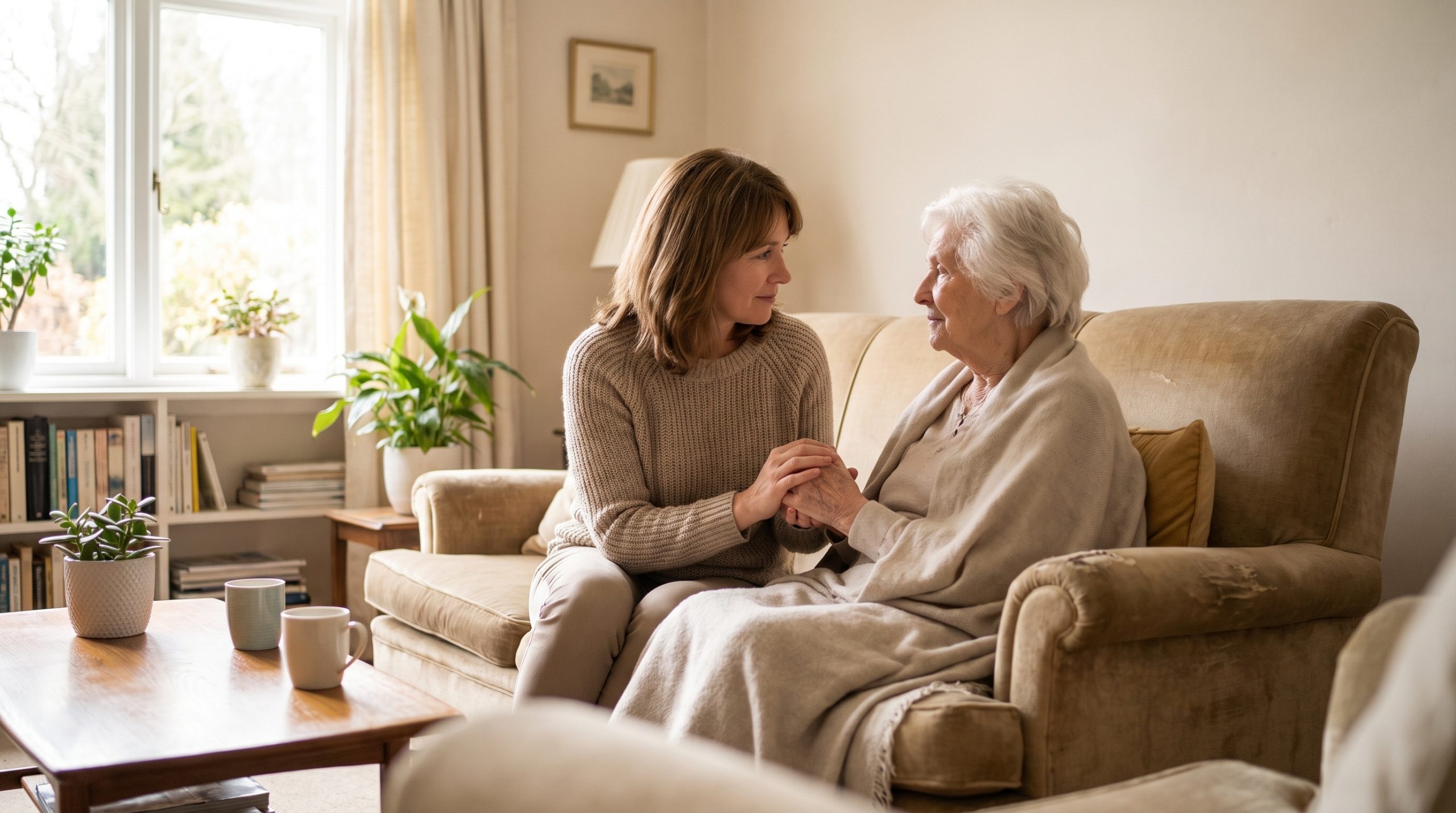
- Gentle touch – Holding hands or a light shoulder rub (if welcome) can provide comfort.
- Meaningful activities – Simple tasks like folding laundry or watering plants can reduce restlessness.
- Nature and fresh air – Short, supervised outdoor time can boost mood and reduce anxiety.
- Comfort objects – Familiar items like photos or a favorite blanket can provide grounding.
How Can the Home Environment Be Modified to Support Calmer Behavior?
The physical environment plays a significant role in how a person with dementia feels. Helpful modifications include:
- Reduce background noise from televisions or radios during rest periods.
- Use soft, warm lighting, especially in the evening to ease sundowning symptoms.
- Ensure clear pathways to prevent falls and reduce frustration.
- Place labels or signs on doors and drawers to support orientation.
- Create a designated calm space where your loved one can go when feeling overwhelmed.
Caring for seniors with dementia can be challenging for family caregivers. Luckily, there is dementia home care Frederick families can rely on. Professional dementia caregivers help seniors with dementia stay safe and comfortable at home by preventing wandering, providing cognitive stimulation, and assisting with household chores. Call today to speak with a friendly and experienced Care Manager to formulate a home care plan for your loved one.
Frequently Asked Questions
What is sundowning, and how does it relate to agitation in dementia?
+
Sundowning refers to a pattern of increased confusion, restlessness, and agitation that occurs in the late afternoon or evening, and it’s a common contributor to anxiety in people with dementia.
How do I know if agitation is caused by physical discomfort?
+
Watch for signs like grimacing, guarding a body part, or changes in posture. These may indicate pain or discomfort your loved one cannot verbally express.
Is it safe to use aromatherapy to calm a person with dementia?
+
Lavender and other calming scents are widely used in dementia care to reduce anxiety, but always ensure your loved one has no allergies and that any products used are appropriate for their age and sensitivities.
How can I support myself as a caregiver when managing these behaviors?
+
Caregiver burnout is real. Building in regular breaks, connecting with a support group, and accepting help from others are essential steps in sustaining your own wellbeing.
When should I seek additional support for managing dementia-related agitation?
+
If agitation becomes frequent, severe, or poses a safety risk, reaching out to a dementia care specialist or a trained home care professional can provide additional strategies and support.