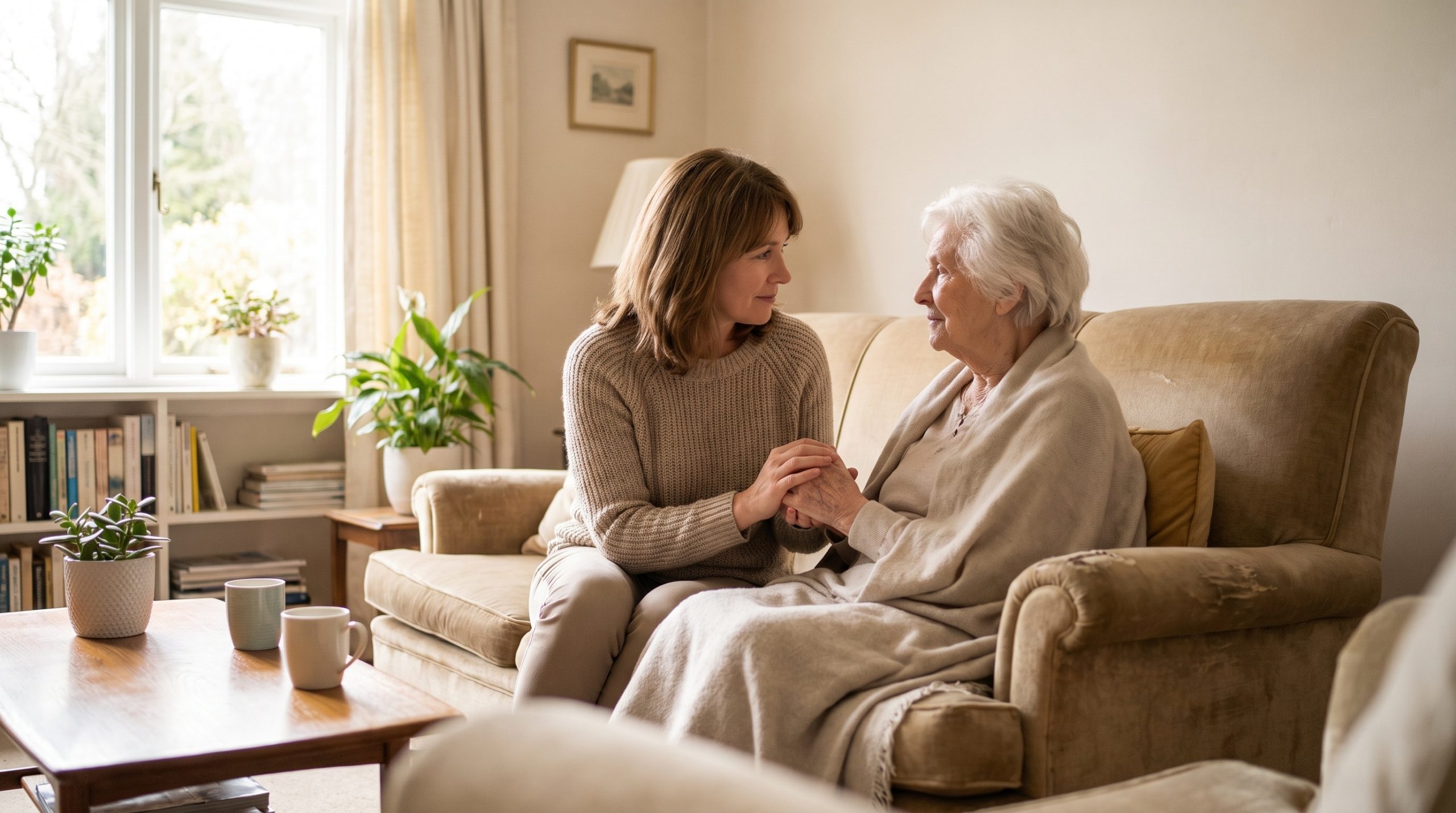
Dementia represents a progressive decline in cognitive function that extends far beyond simple forgetfulness. Understanding these changes helps families provide better care and create supportive environments for their senior loved ones.
Memory Loss: More than Just Forgetting Names
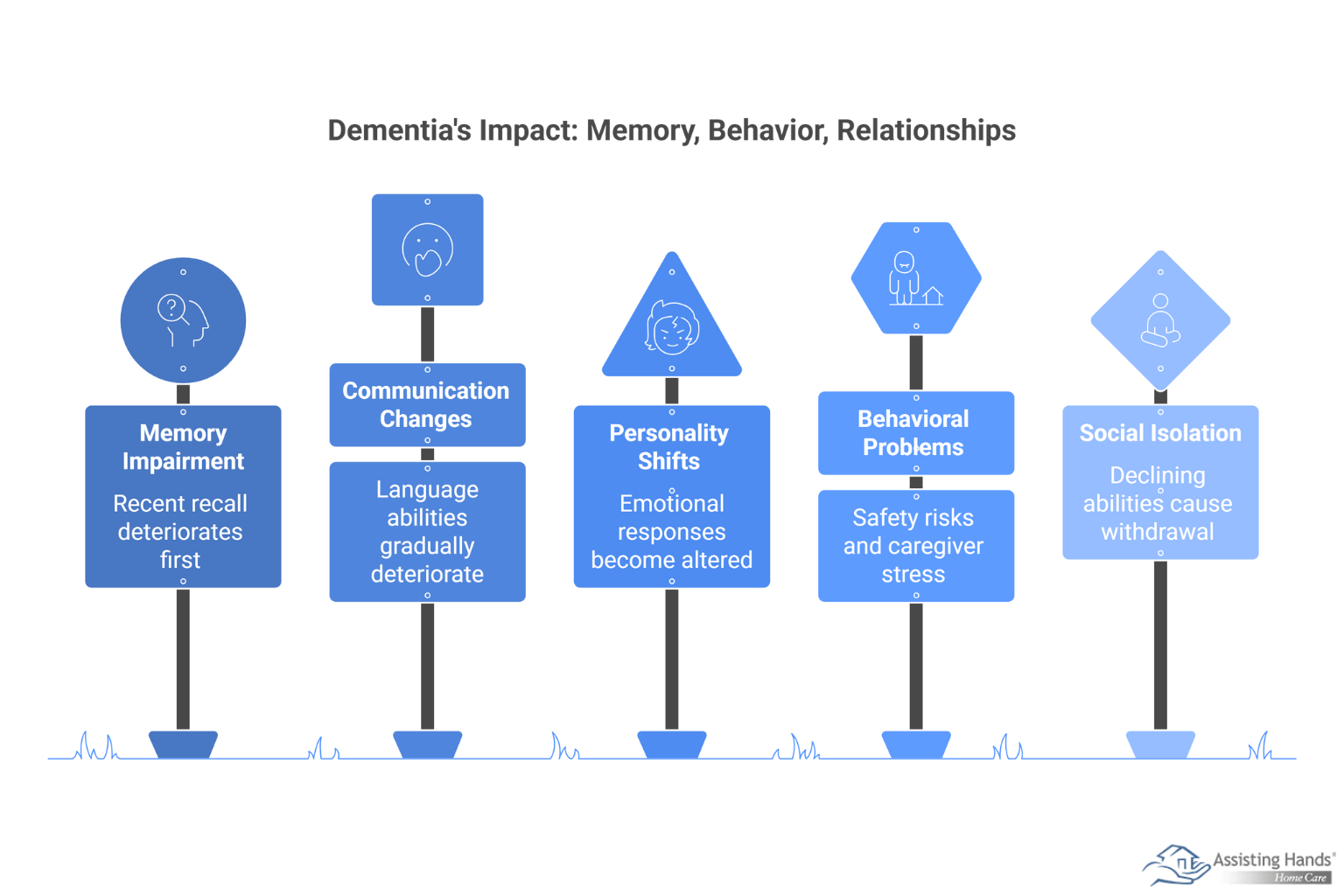
Memory impairment in dementia affects different types of recall in distinct ways. Short-term memory typically deteriorates first, making it difficult for seniors to remember recent conversations, appointments, or daily activities. They may ask the same questions repeatedly or have difficulty recalling what they ate for breakfast.
Long-term memories often remain intact longer, allowing people with dementia to vividly recall childhood experiences while forgetting current events. This selective memory loss can be confusing for family members who witness their loved one sharing detailed stories from decades past but being unable to recognize familiar faces.
Working memory—the ability to hold and manipulate information temporarily—also becomes compromised. This affects problem-solving skills and the ability to follow multistep instructions, making routine tasks increasingly challenging.
Changes in Communication and Language Skills
Language abilities deteriorate gradually as dementia progresses, creating frustration for both seniors and their caregivers. Early signs include:
- Difficulty finding the right words during conversations
- Repeating phrases or stories multiple times
- Trouble following complex discussions or instructions
- Using vague terms like “thing” or “stuff” instead of specific words
- Mixing up similar-sounding words or creating new words
Advanced stages may involve more significant communication barriers, including complete loss of speech or reverting to your loved one’s native language if English was learned later in life. Some individuals develop echolalia, where they repeat words or phrases they hear without understanding their meaning.
Written communication often becomes challenging before spoken language does, as writing requires more complex cognitive processing. Simple communication strategies, like maintaining eye contact and speaking slowly, can help seniors preserve connection even as verbal skills decline.
Personality and Mood Changes
Dementia frequently alters personality traits and emotional responses in ways that can be distressing for families. Previously calm individuals may become easily agitated, while outgoing people might withdraw socially. These changes result from brain damage affecting areas that control emotions and behavior.
Common personality changes include:
- Increased suspicion or paranoia about family members or caregivers
- Loss of inhibitions, leading to inappropriate social behavior
- Mood swings that occur without apparent triggers
- Apathy or loss of interest in previously enjoyed activities
- Increased anxiety, especially during transitions or unfamiliar situations
Depression often accompanies dementia, though it can be difficult to distinguish from other symptoms. Unlike typical depression, dementia-related mood changes may fluctuate rapidly and seem disconnected from external circumstances.
Creating consistent routines and maintaining familiar environments can minimize personality disruptions and provide emotional stability for individuals experiencing these changes.
Symptoms such as agitation, confusion, anger, and frustration are common in elderly people with dementia. Seniors can face a variety of age-related challenges. Though some families choose to take on the caregiving duties, there may come a time when they need a trusted home care frederick provider. Families sometimes need respite from their duties so they can focus on their other responsibilities, and some seniors need around-the-clock assistance that their families are not able to provide. Assisting Hands Home Care is here to help.
Behavioral Challenges and Safety Concerns
Dementia can produce behaviors that pose safety risks and create stress for caregivers. Wandering represents one of the most serious concerns, as seniors may become lost or injured while attempting to reach destinations that exist only in their memories.
Sleep disturbances frequently occur, including day-night confusion that leads to increased activity during nighttime hours. This can result in attempts to leave the house at inappropriate times or engaging in potentially dangerous activities while others sleep.
Sundowning—increased confusion and agitation during late afternoon and evening hours—affects many individuals with dementia. During these periods, they may become more prone to:
- Restlessness and pacing
- Increased confusion about time and place
- Resistance to caregiving assistance
- Verbal or physical aggression
Safety modifications become essential as judgment deteriorates. Individuals may forget to turn off appliances, leave doors unlocked, or attempt activities beyond their current capabilities. Installing safety technology, such as automatic shutoff devices and door alarms, can prevent accidents while preserving some independence.
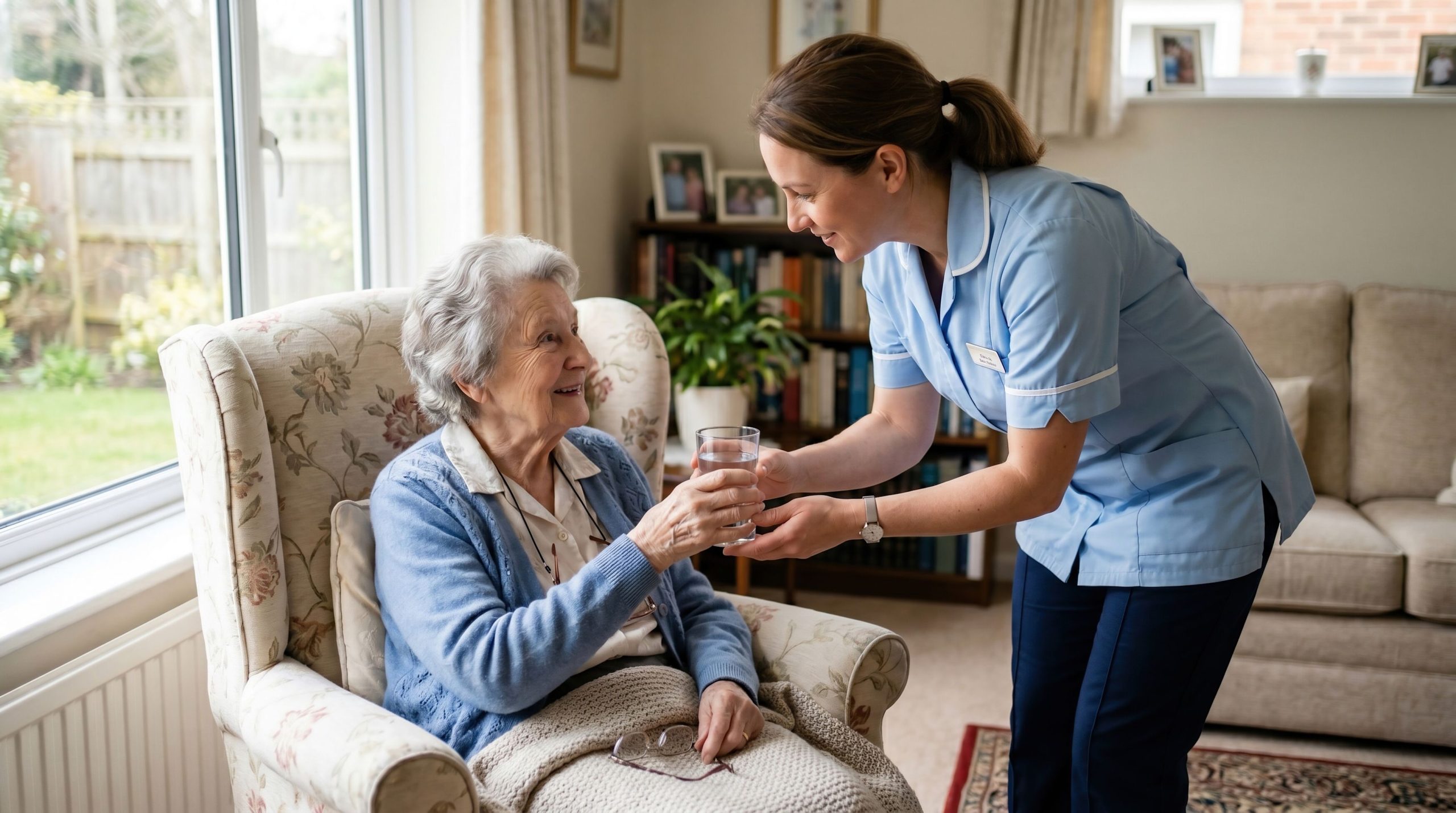
The cognitive challenges that accompany dementia often leave aging adults unable to manage everyday tasks, which puts their safety and health at risk. If your senior loved one has been diagnosed with a serious condition and needs help with tasks like meal prep, transportation, bathing, and grooming, reach out to Assisting Hands Home Care, a leading provider of in-home care families can trust. We also offer comprehensive care for seniors with dementia, Alzheimer’s, and Parkinson’s.
Social Withdrawal and Relationship Changes
Dementia often leads to progressive social isolation as individuals become aware of their declining abilities and feel embarrassed about their limitations. They may avoid social situations where they previously felt comfortable, leading to reduced interaction with friends and family members.
Relationships within families frequently shift as the person with dementia requires increasing assistance with daily activities. Spouses may transition from equal partners to primary caregivers, while adult children might need to make decisions for parents who previously maintained complete independence.
Recognition issues can be particularly painful for families when loved ones fail to remember important people or confuse family members’ identities. However, emotional connections often persist even when specific memories fade, and maintaining regular contact through visits, phone calls, or familiar activities can preserve meaningful relationships throughout the disease progression.
Caring for seniors with dementia can be challenging for family caregivers. Luckily, there is dementia care Frederick families can rely on. Professional dementia caregivers help seniors with dementia stay safe and comfortable at home by preventing wandering, providing cognitive stimulation, and assisting with household chores. Assisting Hands Home Care will work with you to tailor a care plan that’s just right for your loved one’s needs. Call one of our friendly Care Managers today to learn more about our customized care plans.