Creating a dementia-friendly home means modifying the living environment to reduce confusion, support independence, and increase safety through thoughtful changes to lighting, navigation, safety features, and familiar surroundings that reflect the needs of the person living with dementia.
Modifying a home for someone living with dementia can significantly reduce daily stress and enhance quality of life. Small intentional design changes go a long way toward fostering independence and reducing the risk of accidents.
How Does Lighting Impact a Dementia-Friendly Home?
Good lighting is one of the most effective and affordable ways to support someone with dementia at home.
- Use bright, consistent lighting throughout the home to reduce shadows, which can cause confusion or fear.
- Install night lights in hallways, bathrooms, and bedrooms to support safe navigation after dark.
- Maximize natural light during the day by keeping curtains open, which also regulates sleep-wake cycles.
- Use motion-sensor lights in high-traffic areas so lights turn on automatically without requiring memory or effort.
Clear, intuitive navigation reduces disorientation and helps your loved one move through the home with greater confidence.
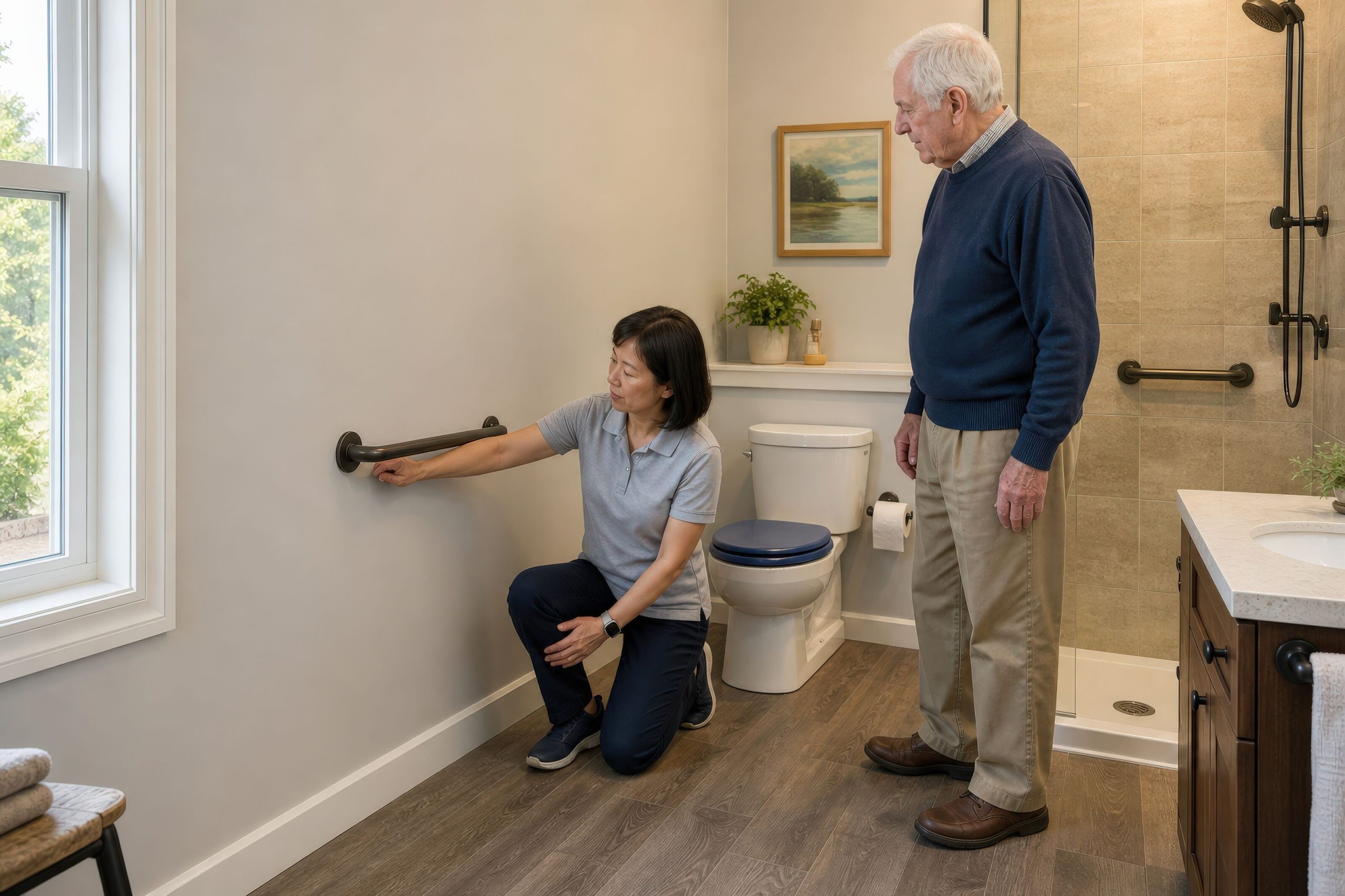
- Use contrasting colors on walls, floors, and furniture to make spaces easier to distinguish (e.g., a brightly colored toilet seat against a white background).
- Label rooms and drawers with large-print words or pictures to reduce guesswork.
- Keep pathways clear of clutter, loose rugs, and furniture that could obstruct movement.
- Use visual cues like colored tape on the floor to guide someone to commonly used spaces like the bathroom or kitchen.
Certain age-related conditions can make it more challenging for north-central Maryland seniors to age in place safely and comfortably, but experts in Frederick 24-hour home care for seniors are available around the clock to help aging adults manage their health. Whether your loved one is living with dementia or recovering from a stroke, you can trust the professional caregivers from Assisting Hands Home Care to enhance his or her quality of life.
What Safety Modifications Are Most Important for a Dementia-Friendly Home?
Safety modifications can prevent accidents while allowing your loved one to remain as independent as possible.
- Install grab bars in the bathroom near the toilet and shower.
- Use door handle covers or door alarms on unsupervised entrances that lead outside, a common concern for families managing wandering risk.
- Store hazardous items (e.g., cleaning products, sharp utensils, medications) in locked or child-proof cabinets.
- Set the hot water heater to a maximum of 120°F (49°C), as recommended by many home safety guidelines, to prevent scalding.
How Does Familiarity and Personalization Support Someone with Dementia at Home?
A familiar environment can reduce anxiety and help your loved one feel grounded and secure.
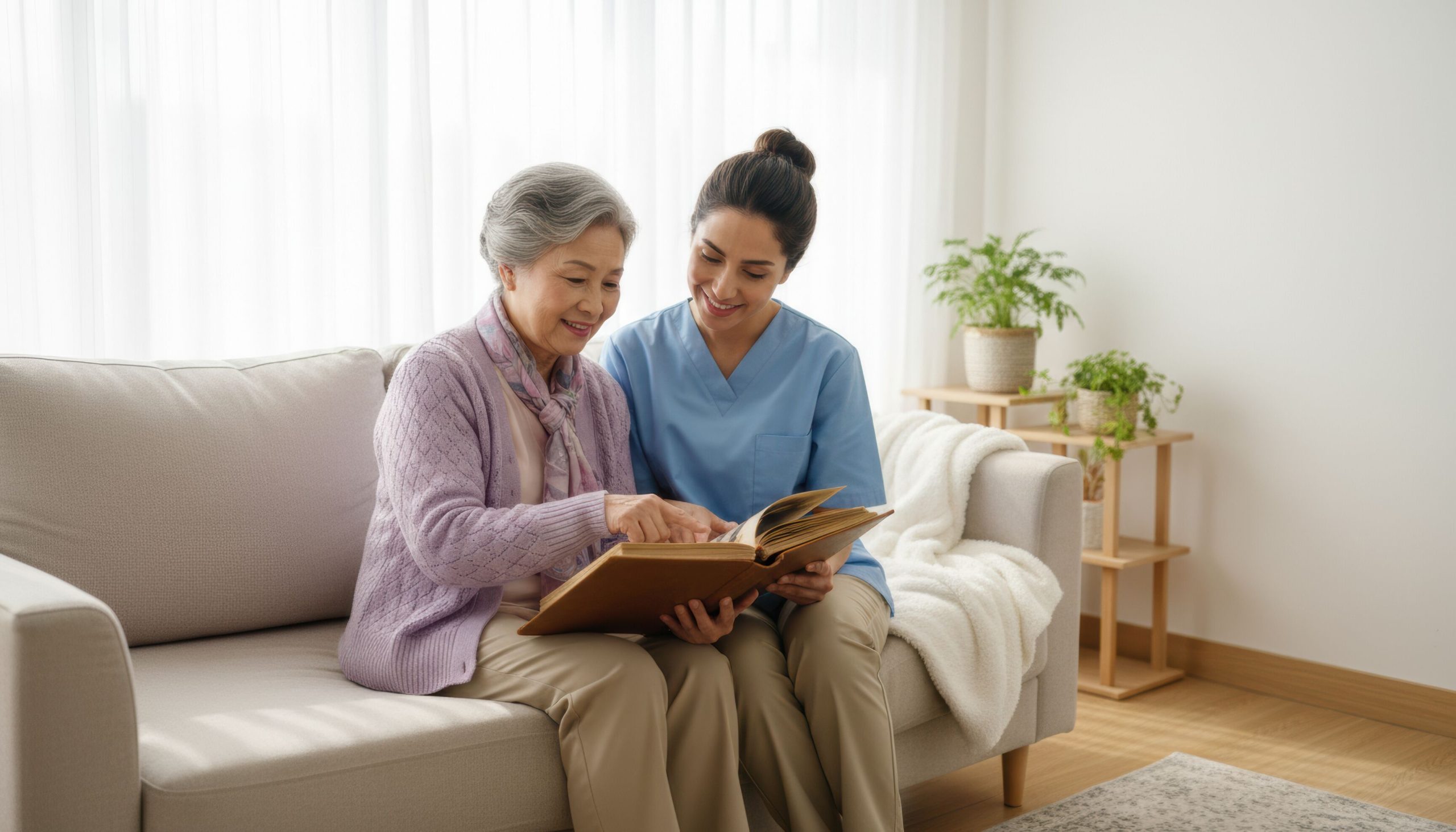
- Display meaningful photographs, artwork, and personal objects in visible areas throughout the home.
- Maintain a consistent layout. Avoid rearranging furniture, which can cause disorientation.
- Keep a familiar daily routine supported by visual schedules or clocks with clear, large displays.
- Preserve access to meaningful activities (e.g., a garden space, a reading chair, a craft table) that connect to the person’s lifelong interests.
Caring for a loved one with dementia can be extremely challenging, and a compassionate professional caregiver can be a wonderful source of support. Seniors can face a variety of age-related challenges. Though some families choose to take on the caregiving duties, there may come a time when they need a trusted Frederick senior home care provider. Families sometimes need respite from their duties so they can focus on their other responsibilities, and some seniors need around-the-clock assistance that their families are not able to provide. Assisting Hands Home Care is here to help.
How Can You Reduce Sensory Overload in a Dementia-Friendly Home?
Reducing unnecessary stimulation can help someone with dementia stay calm and focused.
- Minimize background noise from televisions, radios, or loud appliances during meals and rest.
- Choose simple non-patterned furnishings and décor. Busy patterns on floors or wallpaper can be visually confusing.
- Limit mirrors in areas where they may cause distress, as some individuals with dementia don’t recognize their own reflections.
- Create a quiet, comfortable space your loved one can retreat to when feeling overwhelmed.
Caring for seniors with dementia can be challenging for family caregivers. Luckily, there is dementia care Frederick families can rely on. Professional dementia caregivers help seniors with dementia stay safe and comfortable at home by preventing wandering, providing cognitive stimulation, and assisting with household chores. If your loved one needs professional care, Assisting Hands Home Care is here to help. Call one of our dedicated Care Managers today to learn about the high quality of our in-home care services
Frequently Asked Questions
How much does it typically cost to make a home dementia-friendly?
+
Costs vary widely depending on the modifications needed, but many changes, such as adding labels, improving lighting, and removing clutter, are low-cost or free.
What’s the most important room to modify first in a dementia-friendly home?
+
The bathroom is often the highest priority, as it presents the greatest safety risks, including falls and scalding, and can be a source of confusion for people with dementia.
Should furniture be rearranged to create more space in a dementia-friendly home?
+
No. Consistency in the home layout is important. Rearranging furniture can increase disorientation, so it’s best to optimize the existing layout rather than introduce significant changes.
At what stage of dementia should home modifications begin?
+
Home modifications are most effective when introduced early, before significant cognitive decline occurs, allowing the person with dementia to adjust gradually and remain familiar with the changes