Dementia is a progressive condition that affects memory, thinking, behavior, and the ability to perform everyday tasks. At first, the changes may seem small, such as forgetting names, misplacing items, or repeating stories. Over time, however, dementia can interfere with personal safety, health, and overall quality of life.
Many families have difficulty deciding when extra help is needed. It’s common to feel unsure or guilty about bringing in professional support. Recognizing the warning signs early can protect your senior loved one while reducing stress for the entire family. Below are 10 clear signs that indicate your loved one with dementia may need professional assistance at home.
Decline in Personal Hygiene and Grooming
One of the earliest signs of dementia-related decline is poor personal hygiene. Your loved one may forget to bathe, brush his or her teeth, comb his or her hair, or change clothes regularly. You might notice strong body odor, unwashed hair, or wearing the same clothes for several days.
This isn’t laziness. It’s often due to memory loss, confusion about routines, or difficulty recognizing the importance of self-care. Poor hygiene can lead to skin infections, dental problems, and a loss of dignity if not addressed in time.
Frequent Falls and Mobility Issues
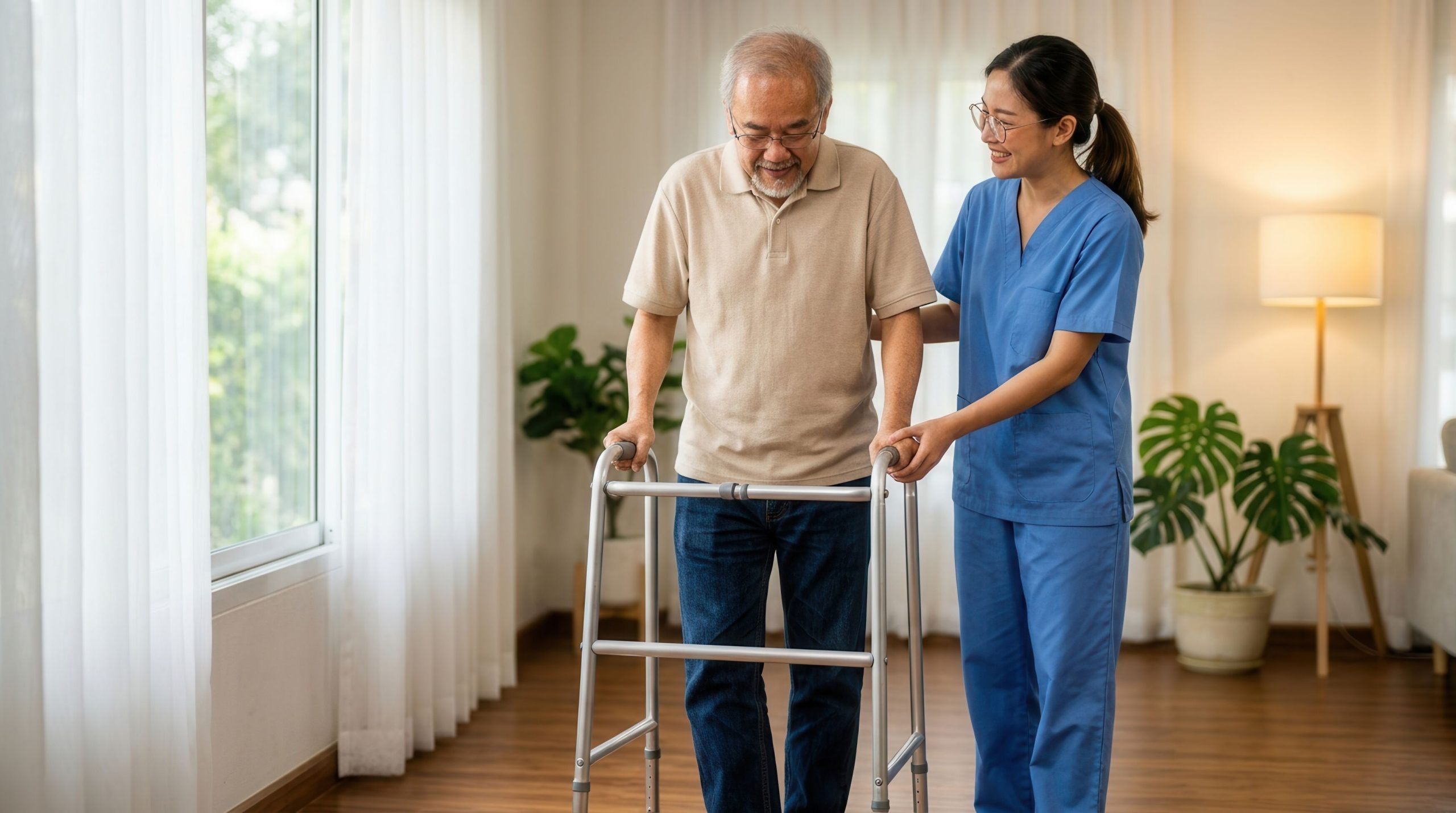
Dementia can affect balance, coordination, and judgment. Your loved one may begin walking unsteadily, holding onto furniture for support, or moving very slowly out of fear of falling. You may also notice unexplained bruises or injuries.
Falls are especially dangerous for older adults and can result in fractures, hospitalizations, and long recovery times. Mobility problems combined with memory loss significantly increase safety risks at home.
Problems with Nutrition and Meal Preparation
People with dementia often forget to eat meals or lose track of when they last ate. Some may rely on snacks instead of balanced meals, while others may keep spoiled or expired food in the refrigerator without realizing it.
Cooking can also become unsafe. Forgetting to turn off the stove, leaving food unattended, or having difficulty following simple recipes are serious concerns. Poor nutrition can weaken the immune system and worsen cognitive decline.
Medication Mismanagement
Managing medications correctly is critical, yet dementia makes this task extremely challenging. Your loved one may forget to take his or her medicine, take the same dose multiple times, or confuse prescriptions.
Medication errors can cause serious health complications, including overdoses, adverse reactions, or worsening of chronic conditions. This sign alone is often enough to justify professional assistance.
Increased Confusion and Memory Loss
Occasional forgetfulness is normal with aging, but dementia-related memory loss is more severe. Your loved one may get lost in familiar places, forget names of close family members, or lose track of time and dates.
Repeatedly asking the same questions or becoming confused during routine activities indicates the disease is progressing. These moments can be frightening for the person experiencing them and stressful for family members.
Noticeable Behavior and Mood Changes
Dementia often brings unexpected personality changes. A once-calm person may become irritable, aggressive, paranoid, or emotionally withdrawn. Depression and anxiety are also common.
These mood changes aren’t intentional. They result from changes in the brain and frustration caused by confusion. Without proper support, these behaviors can strain relationships and lead to emotional exhaustion for caregivers.
Wandering and Serious Safety Risks
Wandering is one of the most dangerous behaviors associated with dementia. Your loved one may leave the house without telling anyone, forget where he or she going, or be unable to find the way back home.
Other safety risks include leaving stoves on, misusing electrical appliances, or opening doors to strangers. These behaviors place your loved one in immediate danger and require close supervision.
Unsafe and Neglected Home Environment
A previously tidy home may become cluttered, dirty, or unsafe. You might notice unpaid bills, piles of unopened mail, dirty dishes, or neglected household repairs.
An unsafe home environment increases the risk of falls, fire hazards, and health issues. These changes often indicate that managing daily responsibilities has become overwhelming.
Difficulty with Everyday Tasks
Dementia gradually affects the ability to perform tasks that were once simple. Your loved one may have difficulty dressing appropriately, doing laundry, managing finances, or running errands.
Your loved one may start tasks but forget to finish them or complete them incorrectly. These difficulties reduce independence and can cause embarrassment or frustration, leading to social withdrawal.
Caregiver Burnout
Sometimes, the clearest sign help is needed isn’t the senior but the caregiver. Family caregivers often experience chronic stress, anxiety, physical exhaustion, and emotional burnout.
When caregiving responsibilities begin to affect your health, sleep, or relationships, it’s a sign additional support is necessary. Burnout can reduce the quality of care and harm both you and your loved one.
Why Home Care Is Important for Dementia Patients
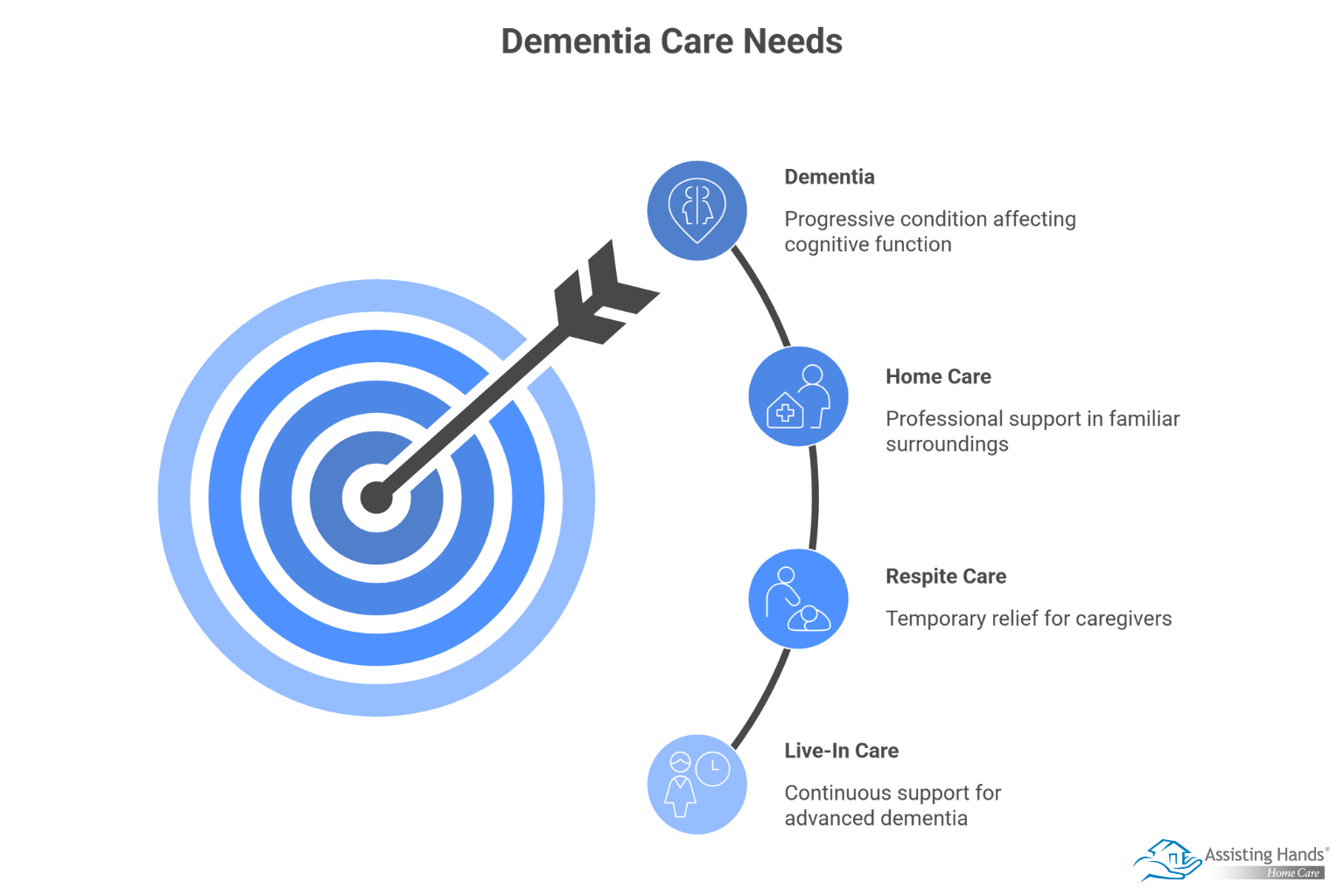
Dementia requires consistent supervision, routine, and personalized support. Professional home care allows individuals with dementia to remain in familiar surroundings while receiving help with personal care, safety, meals, and daily routines. This approach reduces confusion, maintains dignity, and promotes a better quality of life compared to unfamiliar institutional settings.
How Respite Care Supports Family Caregivers
Caring for someone with dementia is emotionally and physically demanding. Respite care gives family caregivers temporary relief, allowing them to rest, attend personal needs, or simply recharge. Short breaks prevent burnout and ensure caregivers can continue providing loving and effective support.
When Live-In care Becomes the Best Option
As dementia progresses, continuous assistance may be required. Live-in care provides around-the-clock support from a dedicated caregiver who lives in the home. This ensures constant supervision, immediate response to emergencies, and consistent routines that reduce anxiety and confusion for the individual with dementia.
Dementia is a journey that affects the entire family. Recognizing these warning signs early can help you make informed decisions that protect your loved one’s safety, health, and dignity. Seeking professional support isn’t a failure. It’s a responsible and compassionate step toward better care and peace of mind.