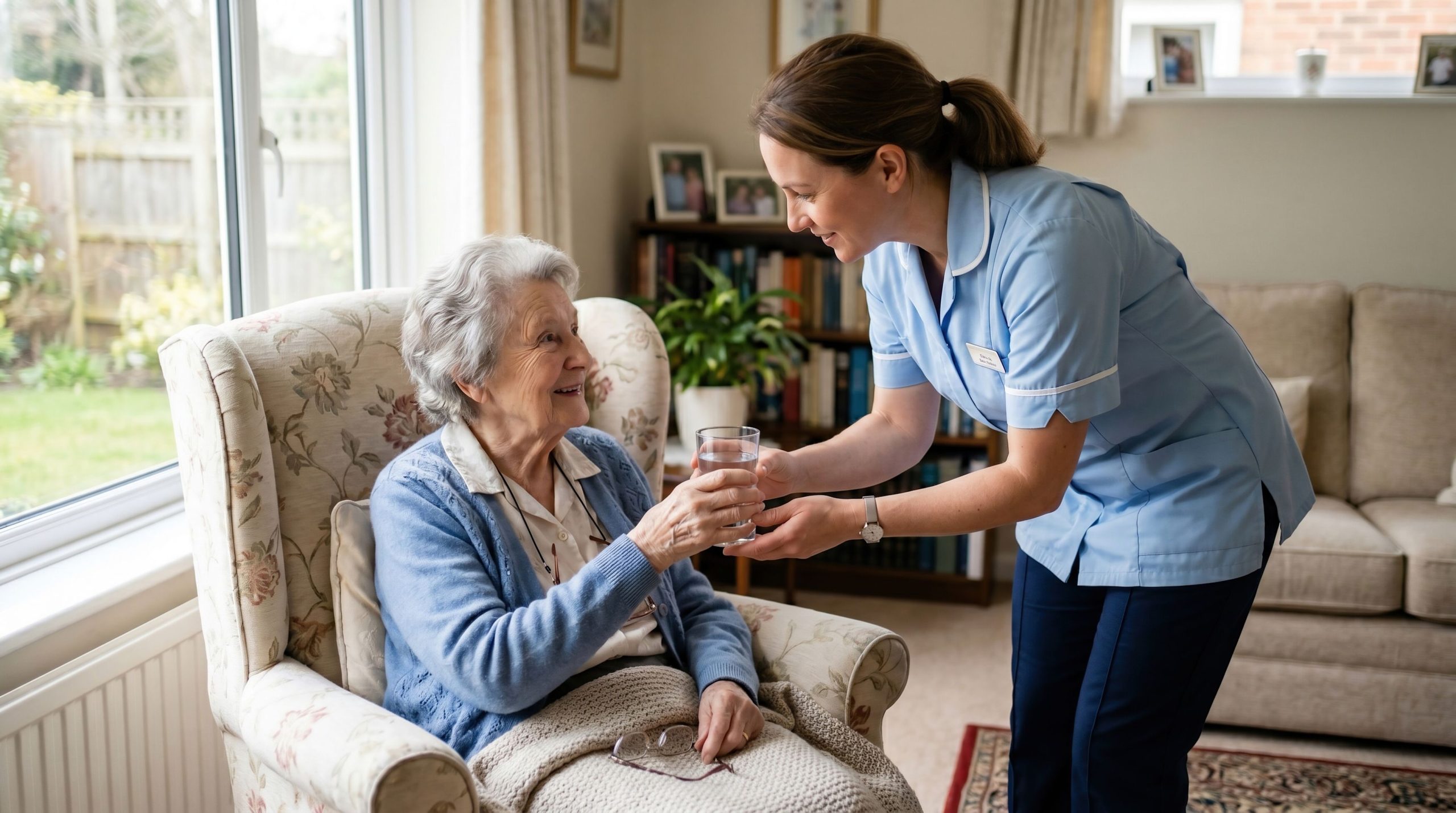
Dementia is a condition that affects millions of people worldwide, yet it remains widely misunderstood. These misconceptions can create fear and stigma, making it harder for individuals and their families to seek support. This article will debunk some of the most common myths about dementia and its progression.
Myth: Dementia and Alzheimer’s Are the Same Thing
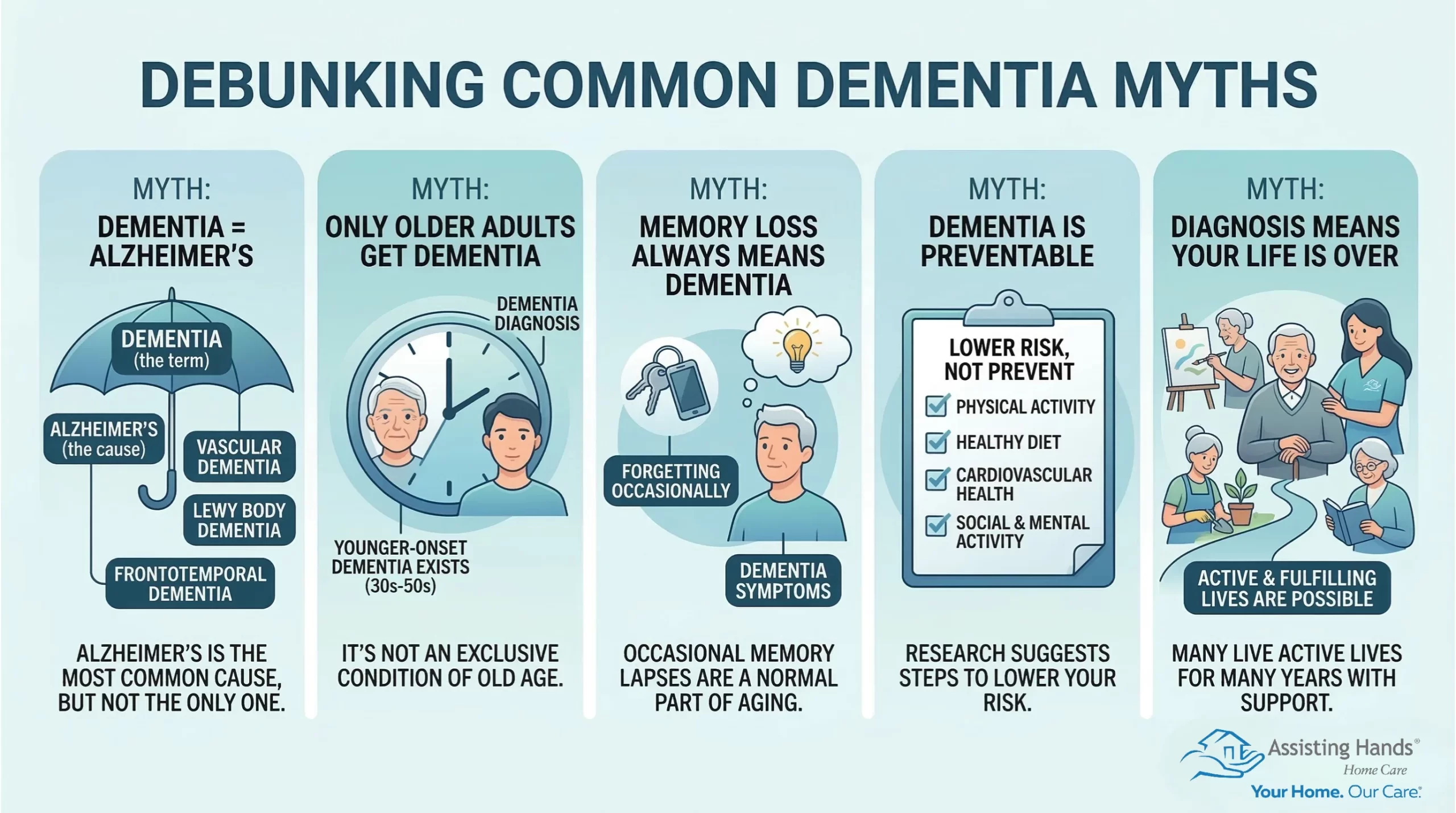
While often used interchangeably, dementia and Alzheimer’s disease aren’t the same. Dementia is an umbrella term for a range of symptoms associated with a decline in memory, reasoning, or other thinking skills. Alzheimer’s disease is the most common cause of dementia, but it’s not the only one.
Other conditions that can cause dementia include:
- Vascular dementia – Caused by damage to the vessels that supply blood to the brain
- Lewy body dementia – Characterized by abnormal deposits of a protein called alpha-synuclein in the brain
- Frontotemporal dementia – A group of brain disorders that primarily affect the frontal and temporal lobes of the brain
For reliable Alzheimer’s care, Frederick families can turn to Assisting Hands Home Care. We are a leading provider of professional memory care designed to help seniors maintain a higher quality of life. In addition to Alzheimer’s care, we also provide comprehensive dementia, Parkinson’s, and stroke care. From revolutionary care programs to compassionate and dedicated caregivers, we can meet all of your Alzheimer’s care needs.
Myth: Only Older Adults Get Dementia
It’s true that the risk of dementia increases significantly with age, and it’s most common in people over the age of 65. However, it’s not an exclusive condition of old age. Younger-onset dementia, also known as early-onset dementia, can affect people in their 30s, 40s, or 50s. Although it’s less common, it’s important to recognize that a dementia diagnosis is possible at any adult age.
Myth: Memory Loss Always Means Dementia
Forgetting where you left your keys or having difficulty recalling a name from time to time is a normal part of aging. These minor memory lapses aren’t necessarily a sign of dementia. Dementia involves a significant and persistent decline in cognitive function that interferes with daily life. This includes not just memory loss but also challenges with problem-solving, language, and visual perception. If memory problems are concerning and persistent, it’s best to consult a healthcare professional.
Myth: Dementia Is Preventable
Currently, there’s no guaranteed way to prevent dementia. However, research suggests you can take steps to lower your risk. A healthy lifestyle may play a crucial role in brain health. The Lancet Commission on dementia prevention has identified several modifiable risk factors that, if addressed, could potentially prevent or delay a significant number of dementia cases.
Key strategies to reduce the risk of dementia include:
- Getting regular physical activity – Engaging in consistent exercise
- Maintaining a healthy diet – Focusing on a balanced, brain-healthy diet like the Mediterranean diet
- Managing cardiovascular health – Keeping blood pressure, cholesterol, and blood sugar levels in check
- Staying socially and mentally active – Engaging your mind with new activities and maintaining social connections
Aging in place can present a few challenges for seniors living with dementia. However, with professional dementia care that offers Frederick families peace of mind, they can still live independently at home. Families can rely on Assisting Hands Home Care to provide their elderly loved ones with mental and social stimulation, timely medication reminders, assistance with meal prep, and much more. Our caregivers are available around the clock to help your loved one live a happier and healthier life.
Myth: A Dementia Diagnosis Means Your Life Is Over
A dementia diagnosis is life-changing, but it doesn’t mean life is over. Many people with early-stage dementia continue to live active, independent, and fulfilling lives for many years. With the right support, resources, and lifestyle adjustments, it’s possible to manage symptoms and maintain a high quality of life. Focusing on what you can still do rather than what you can’t is essential for both people with dementia and their caregivers.
While there’s no current cure for dementia or dementia-related illnesses, a professional caregiver can help your loved one live with the symptoms of the condition in the comfort of home. If you have a senior loved one who needs help maintaining a high quality of life while aging in place, reach out to Assisting Hands Home Care, a leading provider of home care service Frederick families can trust. Our caregivers help seniors focus on healthy lifestyle habits such as eating nutritious foods, exercising regularly, and maintaining strong social ties, and we offer mentally stimulating activities that can boost cognitive health and delay the progress of dementia. To learn about our quality-assured services, give us a call today.