
You know it’s time to adjust in-home care services when your senior loved one’s daily routines, mobility, or personal care needs noticeably change. Regular assessment of your loved one’s living situation ensures he or she continues receiving the right level of support to remain safe and comfortable at home.
Are There Noticeable Changes in Mobility or Balance?
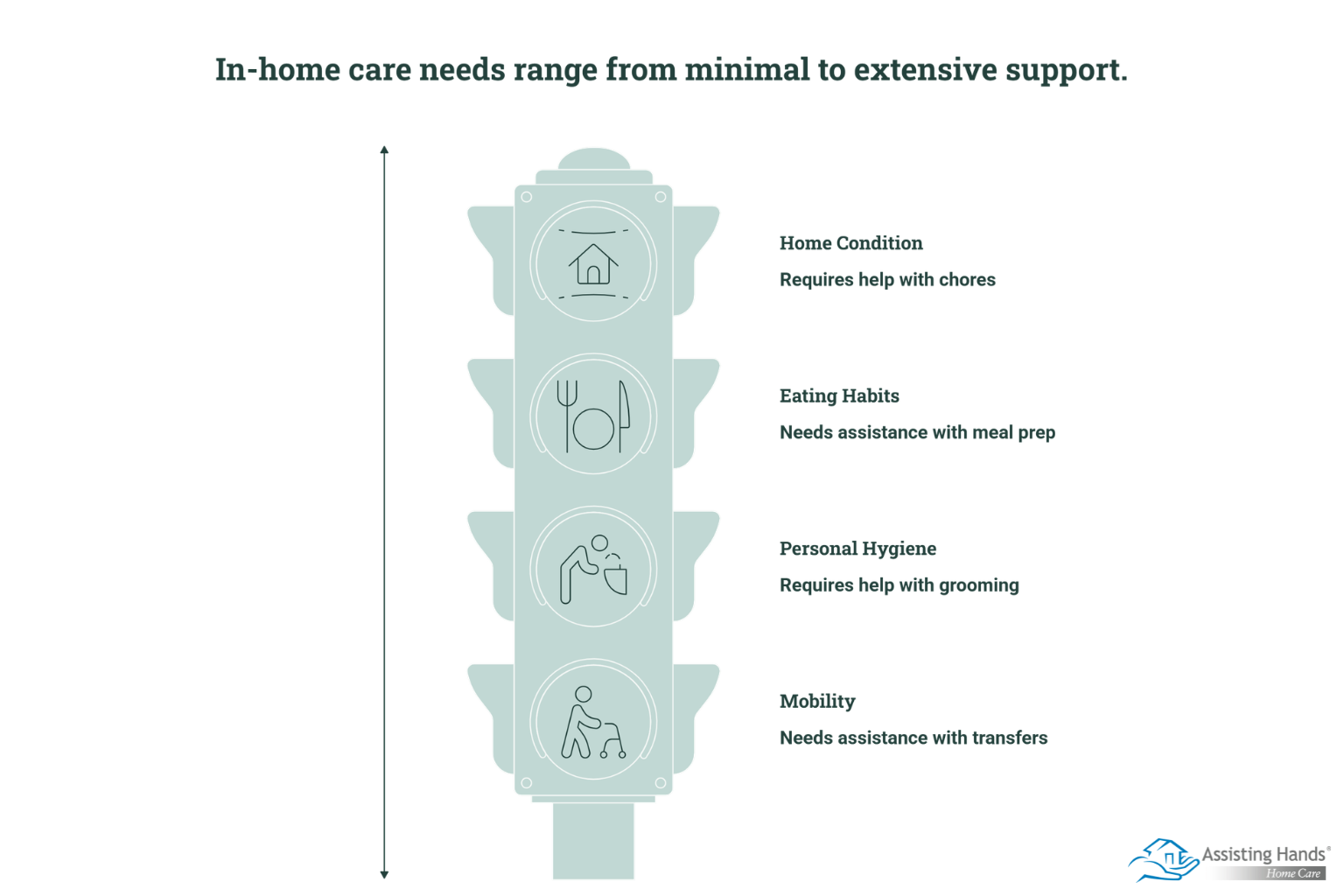
A decrease in physical stability often signals the need for increased support. If you observe more frequent tripping, difficulty standing up from a chair, or a reluctance to navigate stairs, adding more hours of care can prevent falls. Caregivers can step in to assist with safe transfers and help your loved one confidently navigate the home environment.
Has Personal Hygiene Become Difficult to Maintain?
Having difficulty with basic grooming routines is a strong indicator that a current care plan requires an update. Look out for unwashed clothes, body odor, or a decrease in general appearance, as these suggest your loved one needs more hands-on help. Adjusting the schedule can provide dedicated time for:
- Bathing and showering assistance
- Help with dressing and grooming
- Support with daily bathroom routines
If your elderly loved one needs help maintaining a high quality of life while aging in place, reach out to Assisting Hands Home Care, a trusted provider of Frederick senior home care. Our caregivers provide transportation to and from medical appointments and social events, nutritious meal preparation, assistance with daily exercise, and help with everyday tasks like bathing, grooming, and light housekeeping.
Is the Condition of the Home Deteriorating?
An unusually cluttered or dirty home often means a person can no longer keep up with standard daily chores. Expanding care services to include more light housekeeping ensures a safe and sanitary living space. Professional caregivers can take over tasks like laundry, washing dishes, taking out the trash, and removing potential trip hazards from walkways.
Are There Shifts in Eating Habits or Weight?
Noticeable weight loss or a lack of fresh food in the refrigerator points to difficulties with grocery shopping and meal preparation. Adjusting the care plan to include dedicated meal support guarantees your loved one receives regular nutritious meals. Caregivers can seamlessly step in to plan weekly menus, shop for groceries, and prepare daily food.
If you’re the primary caregiver for a senior family member and you need respite, live-in, or overnight home care in Frederick, Assisting Hands Home Care is here to help. Our home caregivers are trained to assist older adults with a wide variety of everyday tasks, including meal prep, physical activity, and personal hygiene. We also provide 24-hour care and specialized care for seniors with Alzheimer’s, dementia, and Parkinson’s.
Aging in place can present a few unique challenges for older adults living in north-central Maryland. Some only require part-time assistance with exercise or meal preparation, while others are living with serious illnesses and benefit more significantly from receiving 24-hour home care. Assisting Hands Home Care are leaders in the elderly in-home care industry for good reason. We tailor our care plans based on each senior’s individual needs, our caregivers continue to receive updated training in senior care as new developments arise, and we also offer comprehensive care for seniors with Alzheimer’s, dementia, and Parkinson’s. Whether your loved one needs minor help with daily tasks or extensive 24-hour care, give us a call today.
Frequently Asked Questions
How often should we review the in-home care plan?
+
You should review the care plan every three to six months or immediately following a significant change in your loved one’s physical abilities.
Can we temporarily increase care hours during a busy week?
+
Yes, many home care agencies offer flexible scheduling to accommodate short-term needs like family travel or temporary routine disruptions.
What should I do if my loved one resists additional help?
+
Have an open, empathetic conversation focusing on how extra support helps your loved one maintain independence and stay in his or her home safely.
Does increased forgetfulness mean we need to adjust care services?
+
Yes, frequent forgetfulness regarding household tasks, turning off appliances, or locking doors usually requires adjusting services to include enhanced supervision and companionship.