
Dementia brings profound changes to families, but meaningful connections and moments of joy remain possible throughout the journey. While the diagnosis can feel overwhelming, understanding how to adapt relationships and create positive experiences can help both caregivers and loved ones find purpose and happiness together.
Embrace Present-Moment Connections
Focus on what your loved one can still do rather than what he or she has lost. Many people with dementia retain emotional memories and the capacity for joy even as cognitive abilities change.
Ways to connect in the present:
- Engage through familiar music, which often remains accessible longer than other memories.
- Share simple activities like looking through photo albums or enjoying nature together.
- Practice patience with repetitive conversations—each moment is new for your loved one.
- Use touch appropriately, such as holding hands or gentle hugs, to convey love and comfort.
The goal isn’t to restore what was but to appreciate what is. Small moments of recognition, laughter, or peaceful companionship can be deeply meaningful.
Create Structured yet Flexible Routines
Predictable daily routines provide security for people with dementia while allowing flexibility for good and challenging days. Structure reduces anxiety and confusion, creating space for positive interactions.
Building supportive routines:
- Establish consistent mealtimes, activities, and rest periods.
- Plan engaging activities during your loved one’s best times of day.
- Keep backup activities ready for when primary plans don’t work.
- Include regular social interaction, whether with family, friends, or support groups.
Remember some days will be harder than others. Flexibility within structure allows you to adapt while maintaining the comfort of predictability.
Caring for a loved one with dementia can be challenging, but compassionate help is available. If your senior loved one has been diagnosed with a serious condition and needs help with tasks like meal prep, transportation, medication reminders, bathing, and grooming, reach out to Assisting Hands Home Care, a leading provider of homecare services in Frederick and the surrounding communities. We also offer comprehensive care for seniors with dementia, Alzheimer’s, and Parkinson’s.
Find Support within Your Community
Caring for someone with dementia shouldn’t be a solitary experience. Building a support network benefits everyone involved and creates opportunities for shared joy and connection.
Building your support network:
- Connect with local dementia support groups for caregivers and families.
- Explore adult day programs that provide social interaction and activities.
- Reach out to friends and extended family members who want to help.
- Consider respite care services to give yourself necessary breaks.
- Join online communities where you can share experiences and advice.
Community support provides practical help while combating the isolation that often accompanies dementia caregiving.
Even when families have the best intentions, caring for a senior loved one with dementia can be challenging. Fortunately, Assisting Hands Home Care is here to help. We are a leading provider of dementia care Frederick families can trust. You can take advantage of our flexible and customizable care plans, and our caregivers always stay up to date on the latest developments in senior care.
Adapt Communication for Meaningful Exchange
Communication changes throughout dementia’s progression, but connection remains possible through adapted approaches. Learning new ways to communicate can reduce frustration and increase positive interactions.
Effective communication strategies:
- Speak clearly and slowly, using simple sentences.
- Maintain eye contact and use gentle, reassuring tones.
- Ask yes/no questions instead of open-ended ones.
- Validate your loved one’s feelings even when facts are confused.
- Use visual cues, gestures, and facial expressions to support verbal communication.
Focus on the emotional content of conversations rather than factual accuracy. Sometimes a warm smile or gentle touch communicates more effectively than words.
Prioritize Self-Care for Sustainable Caregiving
Taking care of yourself is essential for providing high-quality care and finding joy amid challenges. Caregiver burnout helps no one and can rob families of precious positive moments together.
Essential self-care practices:
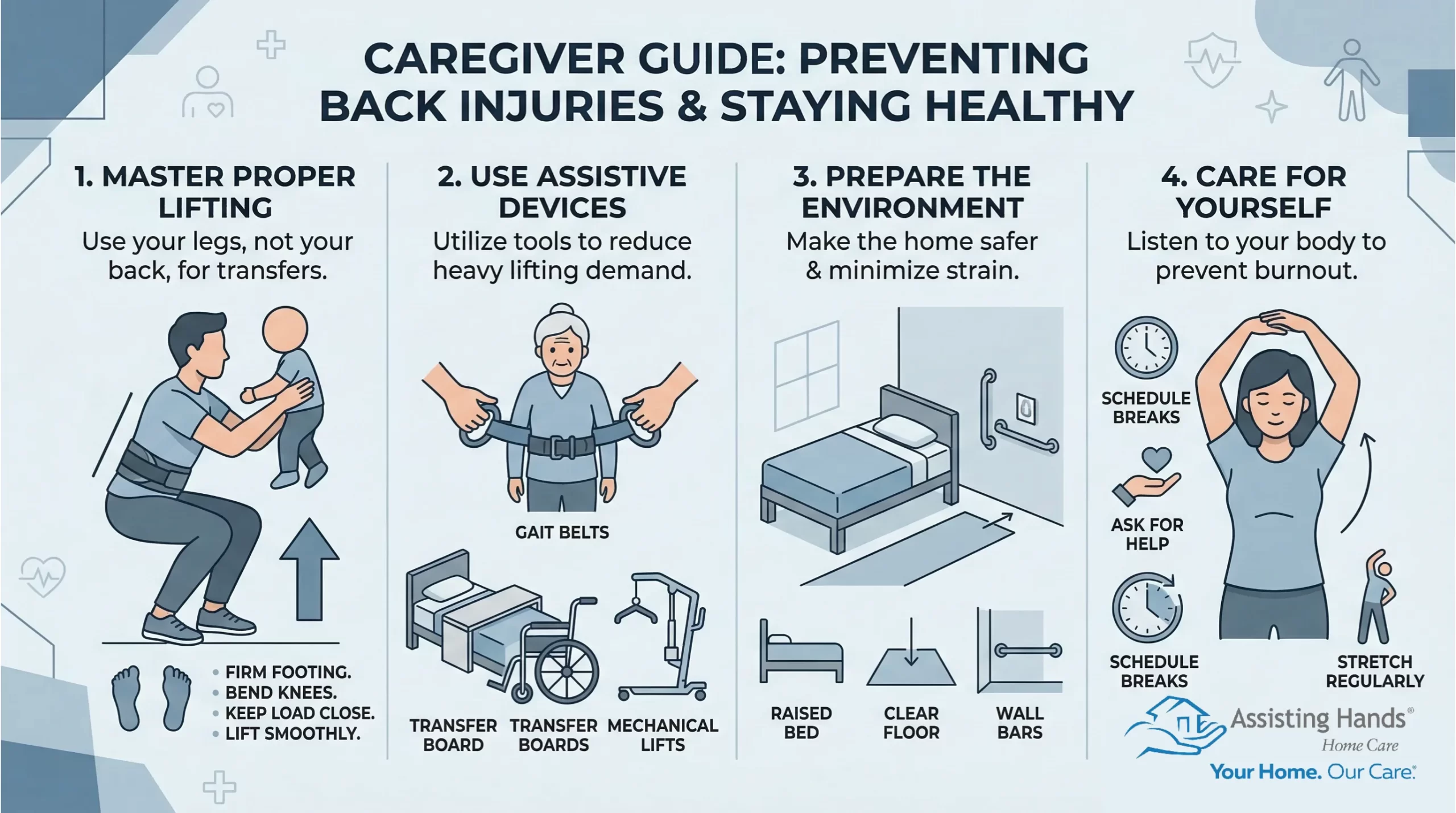
- Schedule regular breaks, even if they’re brief.
- Maintain relationships and activities that bring you personal fulfillment.
- Seek professional counseling when emotions become overwhelming.
- Practice stress-reduction techniques like meditation or gentle exercise.
- Accept help from others without guilt.
When you care for your own physical and emotional needs, you’re better equipped to create joyful experiences and maintain meaningful connections throughout the dementia journey.
Family caregivers need to care for their own wellbeing. If you’re caring for an aging loved one in Frederick and are feeling overwhelmed, consider hiring a professional caregiver to provide the respite care you and your family need. To prevent burnout, you can turn to Assisting Hands Home Care. One of our professional caregivers can assist your loved one at home while you take a nap, go to work, run errands, or go on vacation. Call us today to learn about our high-quality in-home care services.